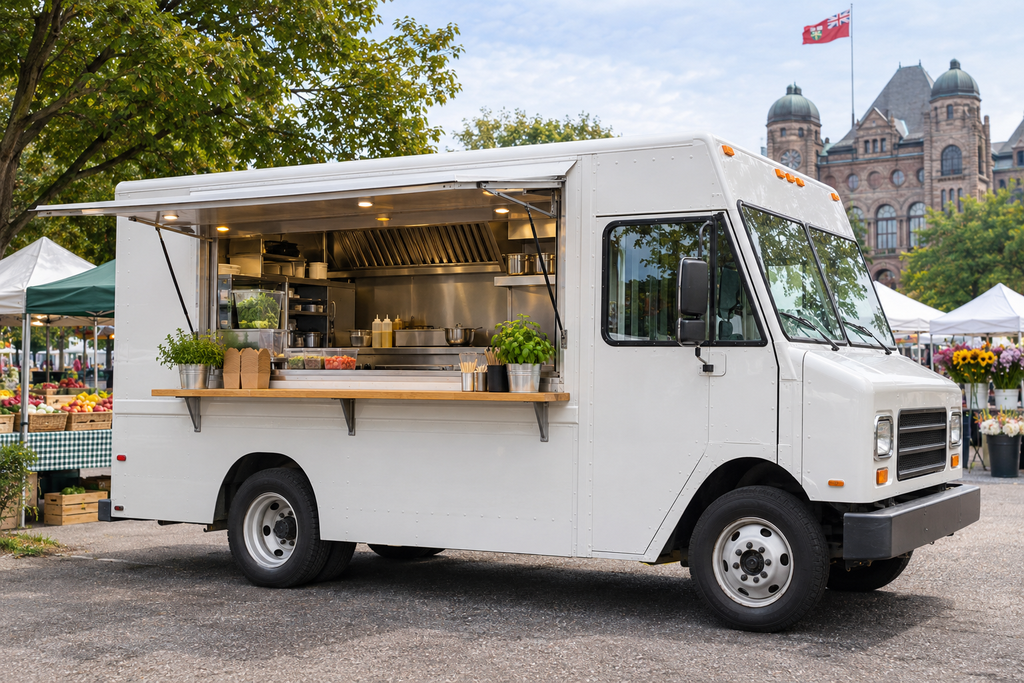
A food truck is both a vehicle and a working kitchen. It travels to customers, stores ingredients, carries cooking equipment and often operates under event contracts. Food truck insurance needs to address these connected exposures without assuming a commercial auto policy protects everything inside or a restaurant package automatically covers the driving.
For Ontario operators, start by separating the truck, kitchen equipment, food stock and liability to other people. Then explain where the business operates and what happens between events. A seasonal trailer stored all winter needs a different conversation from a truck serving weekday lunches and weekend festivals throughout the year.
Describe the vehicle and the business
Provide the vehicle identification, ownership, financing, value and modifications requested by the broker. Explain whether the unit is self-propelled or a trailer and identify any towing vehicle. Describe cooking equipment, fuel systems and permanently attached installations. A standard vehicle description may not capture the investment in the mobile kitchen.
Also describe the menu, preparation location, operating season, territory and types of events. Include private catering, delivery and any work outside your usual area. Tell the broker which activities are planned but not yet started, so insurance questions can be resolved before you sign the next booking.
Separate auto liability and physical damage
Commercial auto liability concerns covered responsibilities arising from use of the insured vehicle. Physical damage coverage concerns insured damage to the truck itself under the chosen terms. Ask about deductibles, settlement basis, attached equipment and any conditions specific to the vehicle’s use.
Consider an illustrative collision while travelling to a festival. Repairs to the vehicle, damage to another person’s property and lost ingredients are separate costs that may require different parts of the program. Do not assume that acceptance of the vehicle claim determines the treatment of food, portable equipment or missed event revenue.
Clarify what is permanently attached
Cooking appliances, ventilation, generators and refrigeration can be installed in several ways. Give the broker an equipment list and explain how each item is secured and owned. Ask which items belong under the vehicle arrangement and which are insured as business contents or equipment elsewhere.
Keep invoices and installation details with photographs. If the truck is a custom conversion, explain how its value was established. Ask how a total loss would be settled and whether specialist replacement or installation expenses are reflected. The amount owed on financing is not automatically the insurer’s settlement value.
Review customer and food liability
Commercial general liability may be relevant to covered allegations involving food products, service and customer interactions. Describe queues, pickup arrangements, outdoor cooking and work at private venues. A vehicle policy alone should not be treated as a complete answer to a food-related allegation.
Ask about the boundary between auto and business liability while parked and operating. Explain the actual tasks rather than asking whether everything at an event is covered. Keep a straightforward incident procedure so staff preserve facts, notify management and report promptly without admitting liability or promising compensation.
Have festival requirements checked
Event organizers may require a certificate, specified limits or additional insured status. Give the broker the wording before accepting it where possible. Some contracts also contain indemnities that need legal review. A certificate is evidence of insurance, not a way to expand the policy automatically.
Keep a booking file with the organizer’s legal name, location, dates and services provided. Allow time for documents and underwriting questions. If the event adds alcohol service, unusual equipment or a different operating territory, ask whether that change needs approval before the truck is dispatched.
Think through refrigeration and power
Food stock can depend on a combination of built-in refrigeration, external electrical supply and generators. Ask how equipment breakdown and spoilage are addressed, including which systems and causes of loss are included. A failure within a unit and loss of power from outside the truck may have different treatment.
Maintain appropriate temperature and food safety procedures independently of insurance. Identify who monitors stock while travelling and overnight. Ask what records to keep after a suspected loss and whether damaged equipment should be retained for inspection. Do not assume every discarded ingredient or maintenance expense is insured.
Review overnight parking and storage
Explain where the truck, trailer, keys and equipment are kept outside service hours. Ask about theft conditions, security requirements and any seasonal storage arrangement. If the vehicle moves to another site for winter, tell the broker rather than assuming the original parking description still applies.
Separate vehicle storage from kitchen operations. A shared preparation kitchen or rented freezer may create additional property and contractual exposures. Ask whether stock and equipment at those locations are included and record the relevant addresses. Goods kept away from the truck should not disappear from the insurance inventory.
Plan for a missed trading period
If the truck is unavailable, the business may lose both transport and its kitchen. Ask what business interruption or extra expense options are available and which insured events trigger them. A cancelled festival, poor weather or disappointing attendance is not automatically an insured income loss.
Estimate how you would continue serving customers after a covered incident. Could equipment be hired or another kitchen used? Ask what approval is needed before incurring expenses. Maintain working capital for deductibles and retained costs while the claim is assessed, particularly where a few busy weekends fund much of the season.
Prepare a complete food-truck submission
- Truck, trailer and towing vehicle details.
- Conversion values and equipment ownership.
- Menu, food preparation and service methods.
- Operating territory, season and parking locations.
- Drivers, event contracts and private catering work.
- Property, liability, breakdown and interruption questions.
Compare proposals using the same facts. Ask the broker to explain differences in vehicle valuation, equipment treatment and event conditions. A lower total may reflect a meaningful reduction in protection rather than a better price for an identical program.
Keep insurance connected to booking decisions
Use a simple rule: new territory, new services, new equipment or an unusual contract should be checked before acceptance. Review the equipment list after upgrades and discuss replacement values regularly. That process keeps the insurance aligned with the food truck you operate instead of the vehicle you first purchased.
Continue your coverage review
For the wider picture, read our hospitality insurance guide. Review Fast Food Restaurant Insurance: Takeout Kitchens, Fryers and Delivery and Review Fire Insurance for Restaurants: Kitchen Damage, Cleanup and Reopening.
Explore Sterling’s restaurant insurance options or request a quote based on your operations.
General information only. Coverage depends on policy wording, exclusions, conditions and underwriting approval. Illustration generated for this article.