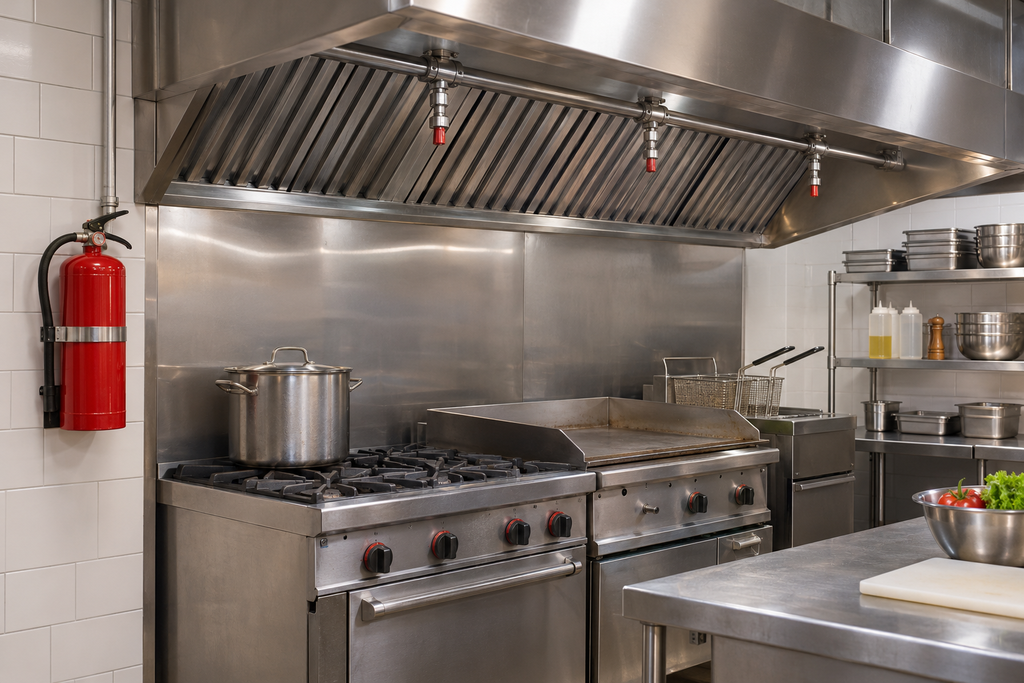
A restaurant fire can create several losses at once: damaged equipment, smoke-affected contents, lost stock, repairs to the premises and interrupted trading. Fire insurance for restaurants is therefore best reviewed as part of a complete property and recovery arrangement. The question is not simply whether fire appears in the quotation, but which assets, expenses and responsibilities the wording addresses.
For Ontario owners, start with the kitchen, the lease and a realistic reopening plan. Separate property you own from property belonging to others, then consider the financial effects of a qualifying loss. This guide explains insurance questions to discuss in advance; actual emergencies require appropriate emergency assistance and site procedures.
Describe cooking and protection systems
Tell the broker about cooking methods, appliances, fuels and operating hours. Provide requested information about extraction, suppression, alarms and maintenance. A broad restaurant description may not explain the difference between reheating prepared food and operating a busy fryer or open-flame kitchen.
Keep service and inspection records organized and address outstanding recommendations appropriately. Insurance does not replace safe operation, required maintenance or applicable fire obligations. Discuss material equipment or kitchen changes before they begin rather than waiting until renewal to update the business description.
Identify the property affected
List the building where relevant, tenant improvements, appliances, refrigeration, furniture, signs, electronics and stock. Separate ownership from responsibility under leases or equipment agreements. A restaurant may be responsible for restoring particular installations even when it does not own the building.
Ask how the proposed property policy describes those interests and which limits apply. Do not assume a landlord’s building insurance protects your contents or income. Equally, insuring your own equipment does not settle liability for damage to someone else’s property.
Review settlement values before a loss
Discuss current replacement, installation and specialist labour costs. Ask how depreciation, replacement provisions or other settlement terms apply. Original purchase price, market value and the balance on financing are different figures and should not be treated as automatically interchangeable.
Review insurance-to-value conditions and consider appropriate professional estimates for complex property. Keep invoices and photographs accessible outside the premises. After a major kitchen upgrade, update the schedule so values reflect the restaurant’s current equipment rather than its original opening budget.
Ask about smoke, cleanup and related damage
A fire can affect property beyond the visibly burned area. Ask how insured damage, cleanup and other related expenses are treated under the actual wording. Limits, exclusions and approvals may matter, so avoid assuming every cost included in a contractor’s proposal is covered.
After an incident, preserve evidence when safe and follow insurer instructions about inspection and repairs. Keep emergency measures separate from permanent restoration and retain invoices. Do not enter unsafe areas or attempt work merely to speed the claim; appropriate emergency and safety processes take priority.
Keep stock losses documented
Food and beverages may be affected by heat, smoke, interrupted refrigeration or other circumstances. Record quantities, locations and available purchasing evidence where safe. Follow applicable food safety obligations and ask the adjuster what information is required to assess the reported loss.
Different causes of stock damage can require different policy analysis. Do not assume every disposal decision establishes coverage. Keep safety decisions and insurance assessment distinct, and explain uncertainties honestly rather than presenting an unsupported estimated quantity as a verified inventory.
Review rented-premises responsibilities
Give the broker the lease and identify insurance requirements, improvements and responsibility for damage to the unit. Ask about tenants’ legal liability separately from insurance on your own property. Have wider indemnities and contractual obligations reviewed by the appropriate legal adviser.
If several parties are affected, ask how reporting and communication should be coordinated. Keep the landlord’s and contractors’ requests factual and organized. A certificate is evidence of insurance, not confirmation that every obligation or allegation arising from the incident will be covered.
Connect repairs to business interruption
Ask what qualifies as an insured interruption, how financial loss is calculated and how long protection can continue. Review the indemnity period, waiting terms and limits against a realistic recovery. Reopening may depend on contractors, specialist equipment and required approvals, not only the time needed to clean the kitchen.
Keep sales, payroll, expense and booking records organized. Track temporary trading, saved costs and additional expenses separately after a loss. A policy may address defined financial effects, but it should not be assumed to replace all revenue or every continuing bill without review.
Discuss temporary recovery arrangements
A reduced menu, hired equipment or alternative kitchen may help preserve customers after a covered event. Ask whether extra expense protection is available and what approvals are required. A reasonable operational decision is not automatically an insured expense under every policy.
Identify alternatives before they are urgently needed. Keep quotations, consent and invoices together, and make sure temporary operations remain appropriate under safety, licensing and contractual requirements. Insurance planning and business continuity work alongside those responsibilities rather than replacing them.
Understand deductibles and retained expenses
Ask which deductible applies to the relevant property and financial sections and whether separate amounts could arise. Consider cash the business could access during a closure. A lower premium may transfer more cost to the restaurant, so compare the practical effect rather than the annual total alone.
Maintain working capital for deductibles, uninsured costs and the period while the claim is assessed. Ask the adjuster about the next milestone and any evidence outstanding. Avoid relying on another restaurant’s settlement speed as a guaranteed timetable for your own recovery.
Prepare a fire-loss review file
- Cooking, protection and maintenance information.
- Property interests and current values.
- Lease and equipment responsibilities.
- Stock and financial records stored off site.
- Reporting contacts and approval procedures.
- Recovery assumptions, limits and deductibles.
Review the file after renovations or a change in cooking methods. Ask your broker to explain material exclusions and conditions in writing. A useful fire insurance conversation should make clear which assets and financial effects are insured and which responsibilities and expenses remain with the restaurant.
Continue your coverage review
For the wider picture, read our hospitality insurance guide. Review Commercial Property Insurance in Ontario: A Restaurant Owner’s Guide and Review Business Insurance Claims: What Restaurant Owners Should Record and Report.
Explore Sterling’s restaurant insurance options or request a quote based on your operations.
General information only. Coverage depends on policy wording, exclusions, conditions and underwriting approval. Illustration generated for this article.