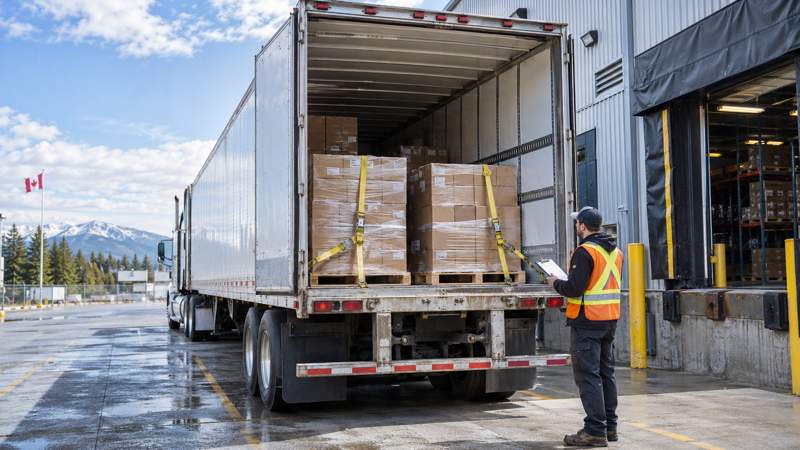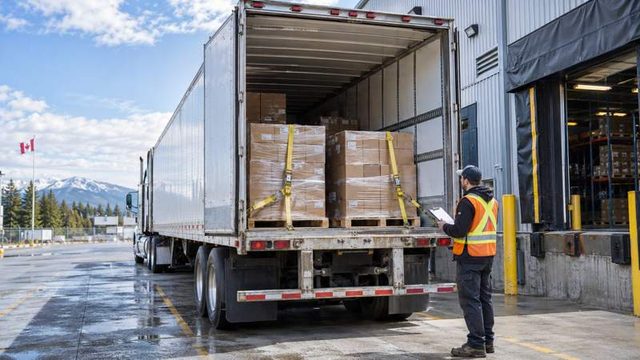
A damaged shipment can lead to a claim even when your tractor and trailer are still roadworthy. For carriers, the goods on board create a separate exposure from damage to the truck or injury to another driver. Motor truck cargo insurance is designed to address eligible cargo-related losses, subject to the policy and your liability for the goods.
Before accepting a load, understand the cargo’s value, the contract of carriage and the coverage you have arranged. The right limit for one business may be too low or unsuitable for another.
What is motor truck cargo insurance?
Motor truck cargo insurance generally protects a carrier against certain covered losses involving goods in its care during transportation. The exact protection depends on the policy, the cause of loss, the insured’s legal liability, limits and exclusions. Some arrangements differ, so ask your broker to explain the wording of any quote.
Auto liability, physical damage and cargo insurance address different risks. Insurance for the truck itself does not automatically mean the freight is covered.
Who should consider cargo coverage?
For-hire carriers and trucking companies that transport customers’ goods should review their cargo exposure carefully. Owner-operators working under a carrier’s authority should confirm what the carrier’s policy covers and what obligations remain under their agreement. A business moving its own goods may need a different property or transit insurance arrangement.
In Ontario, the carriage of goods regulation contains cargo liability insurance requirements for carriers transporting goods for compensation, with stated exceptions. Requirements and obligations vary with the operation, goods and route; review the current rules and your contracts with a qualified professional.
What losses might a cargo policy address?
Depending on wording, a policy may respond to eligible loss or damage to cargo following events such as collision, fire or theft. Coverage is not automatic for every incident. Policies can restrict particular commodities, causes of loss and situations, including theft from unattended vehicles or losses involving temperature-controlled goods.
Ask the insurer to explain the conditions that apply to your actual work. For example, if a trailer is left overnight, clarify parking, locking, monitoring and reporting requirements before a loss occurs.
How much cargo insurance do you need?
Start with the highest value you may carry in one load, including any combination of shipments on the same vehicle. Review contracts and shipper requirements, but do not assume their stated limit matches every shipment. Consider whether your operations require different limits for particular commodities or routes.
Also check how the policy limit applies: per vehicle, per occurrence, or under another wording. A deductible and other limits may affect the amount recoverable. Your broker can help compare the available terms.
Six details to check in a cargo insurance quote
- Commodities: Are all goods you carry listed or permitted, including higher-value or temperature-sensitive items?
- Limits: Does the policy reflect your maximum load value and contract requirements?
- Territory: Are every province, state and border crossing on your routes included?
- Security: What conditions apply to locks, tracking, unattended trucks and overnight parking?
- Refrigeration: Are temperature-related losses covered, and under what conditions?
- Deductibles and exclusions: What do you pay, and which events or goods are excluded?
How much does truck cargo insurance cost?
The premium can vary with the commodities hauled, load values, routes, claims history, security measures, coverage limit and deductible. A quote for general freight should not be assumed to apply to electronics, refrigerated food or another specialized load. Provide complete information to avoid comparing prices for materially different protection.
What to do if cargo is damaged or stolen
Protect people first and follow emergency procedures when appropriate. Notify your insurer or broker promptly, follow policy reporting requirements and preserve relevant records. Depending on the event, those records may include the bill of lading, delivery documents, photographs, temperature logs and communications with the shipper. Do not dispose of damaged goods or agree to a settlement without checking the policy and speaking with the claims team.
Common cargo insurance questions
Is cargo automatically covered by commercial auto insurance?
Do not assume so. Commercial auto liability and cargo coverage serve different purposes. Review your documents and ask your broker to confirm the protection in writing.
Does the policy cover every shipment’s full value?
Not necessarily. Limits, deductibles, exclusions and the carrier’s liability can affect recovery. Check high-value shipments before accepting them and arrange any necessary changes in advance.
Does a shipper’s insurance replace the carrier’s coverage?
Not necessarily. The shipper’s property coverage, the contract of carriage and the carrier’s liability may interact. Ask how responsibilities are allocated instead of assuming one policy covers everyone.
Review your cargo exposure
Sterling Insurance Brokers can discuss the goods you haul, your routes and your contracts to help you compare available cargo insurance options. Contact our team with your maximum load values and typical commodities to request a review.
Coverage is subject to the policy, insurer approval, conditions, limits, deductibles and exclusions.