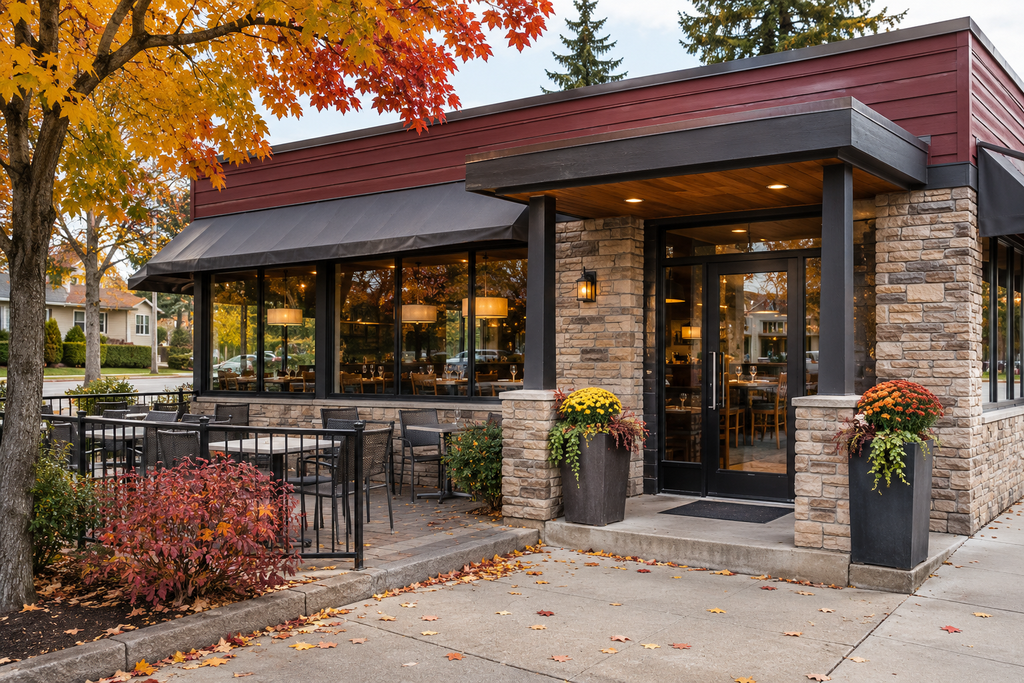
Commercial property insurance helps address insured damage to the assets a restaurant needs to operate. The important work is deciding which assets belong in the program, how they are valued and which causes of loss are covered. A building limit alone does not explain the treatment of kitchen equipment, stock, improvements or the income lost while repairs take place.
For Ontario restaurant owners, organize the review around ownership and recovery. Separate the building, business contents and property belonging to others. Then ask what it would cost to restore the operation after serious insured damage. That approach produces a more useful quotation than an estimate based only on the business purchase price.
Start with ownership and responsibility
Identify the legal entity that owns the building, the company operating the restaurant and any equipment lessors or lenders. These may be different parties. Give the broker leases and financing agreements so the relevant interests and responsibilities can be reviewed accurately.
A tenant may be responsible for improvements or particular equipment without owning the whole building. An owner who leases part of the premises to another business has a different arrangement again. Describe the final structure rather than assuming the restaurant name explains all the property interests involved.
Build a complete contents inventory
List cooking appliances, refrigeration, furniture, payment systems, signs, stock and smaller equipment. Include back-room storage and seasonal items. Separate owned property from items supplied by beverage companies, landlords or other businesses. Review agreements to establish responsibility for damage and replacement.
Photographs and invoices help support the inventory, but keep them accessible away from the premises. Update the list after purchases and removals. Equipment acquired in many small transactions can add up to a substantial replacement expense even when no single item seemed important enough to report separately.
Choose values with replacement in mind
Ask which settlement basis the proposal uses and whether replacement cost, depreciation or other provisions affect payment. Discuss installation, freight and specialist labour where relevant. Original purchase price, market value, financing balance and insured replacement value should not be treated as automatically identical.
Review insurance-to-value conditions with the broker. Ask what information or professional valuation may be appropriate for the building and specialist installations. A lower declared value can affect more than the premium, so do not reduce figures simply to reach a preferred annual insurance budget.
Read the causes of loss and exclusions
Ask which events are insured and which need separate treatment. Fire, theft, water-related events and other losses can be subject to different conditions, deductibles or extensions. A broad policy description does not replace reading the relevant wording and endorsements.
Use specific questions based on your premises. Explain the basement stock room, nearby occupancies, exterior signs and any seasonal vacancy. Ask how the proposal treats each concern rather than asking whether the policy covers everything. Keep material explanations in writing with the quotation you choose.
Distinguish property damage from breakdown
A kitchen appliance can fail internally without being damaged by an insured external event. Ask about equipment breakdown and which machinery or electrical systems are included. The fact that an oven appears on the contents inventory does not answer every question about an internal failure.
Review resulting spoilage and income loss separately. Clarify the position where an external utility interruption affects the restaurant. Maintenance, warranties and insurance perform different functions, so keep service arrangements and policy explanations together without assuming any one of them reimburses every repair.
Include stock and temperature dependencies
Estimate the largest realistic amount of food, beverages and ingredients present during busy periods. Ask how stock is valued and whether specific categories have sublimits or conditions. Finished products and ingredients may need different records to explain their value after a loss.
Discuss refrigerated and frozen goods with attention to the cause of spoilage. Keep appropriate monitoring, service and disposal records. Safety decisions should follow applicable obligations, while insurance assessment depends on the event and wording. Do not delay a necessary safety response while waiting to establish reimbursement.
Review improvements and building upgrades
Restaurants often have fitted counters, extraction, plumbing and electrical alterations. Clarify ownership and the responsibility to restore them. If repairs would involve current building requirements or additional work beyond replacing the damaged item, ask how the policy treats those costs.
Tell the broker about planned renovation before construction begins. Explain the contractor arrangements, project period and any change in occupancy. After completion, update values and retain final invoices. An operating property policy should not be assumed to address every construction-stage risk automatically.
Connect the property review to recovery time
Property insurance concerns insured assets; business interruption concerns specified financial effects after a qualifying event. Ask how the two fit together. Review triggers, limits, waiting periods and the indemnity period using a realistic reopening timeline rather than an optimistic estimate.
Replacement equipment may require ordering and specialist installation. Repairs can also depend on landlords, contractors and approvals. Ask about extra expenses and consent requirements before arranging temporary premises or equipment. Maintain financial records and reserves for deductibles, retained costs and the period while a claim is assessed.
Account for property away from the main site
Catering equipment, stock in transit and goods stored elsewhere can be outside the location described in a standard contents schedule. Explain those activities and ask which extensions or separate arrangements are relevant. Include maximum values travelling together and any overnight storage.
Check rented or borrowed items against the contract rather than assuming they follow your own equipment’s terms. Record territorial and theft conditions the broker identifies. The person responsible for events or deliveries should know when a new arrangement needs review before goods leave the restaurant.
Compare property quotations consistently
- Correct entities, addresses and ownership interests.
- Building, contents, improvements and stock values.
- Settlement basis and insurance-to-value conditions.
- Insured events, exclusions, extensions and deductibles.
- Breakdown, spoilage and interruption arrangements.
- Off-site property and outstanding insurer requirements.
Ask the broker to explain material differences in writing. Choose using the cost and time required to restore the business, alongside the premium. Review the schedule after significant purchases, renovations or changes in premises so the policy remains connected to the restaurant you actually operate.
Continue your coverage review
For the wider picture, read our hospitality insurance guide. Review Commercial Tenant Insurance for Restaurants: What Your Lease Leaves to You and Review Fire Insurance for Restaurants: Kitchen Damage, Cleanup and Reopening.
Explore Sterling’s restaurant insurance options or request a quote based on your operations.
General information only. Coverage depends on policy wording, exclusions, conditions and underwriting approval. Illustration generated for this article.