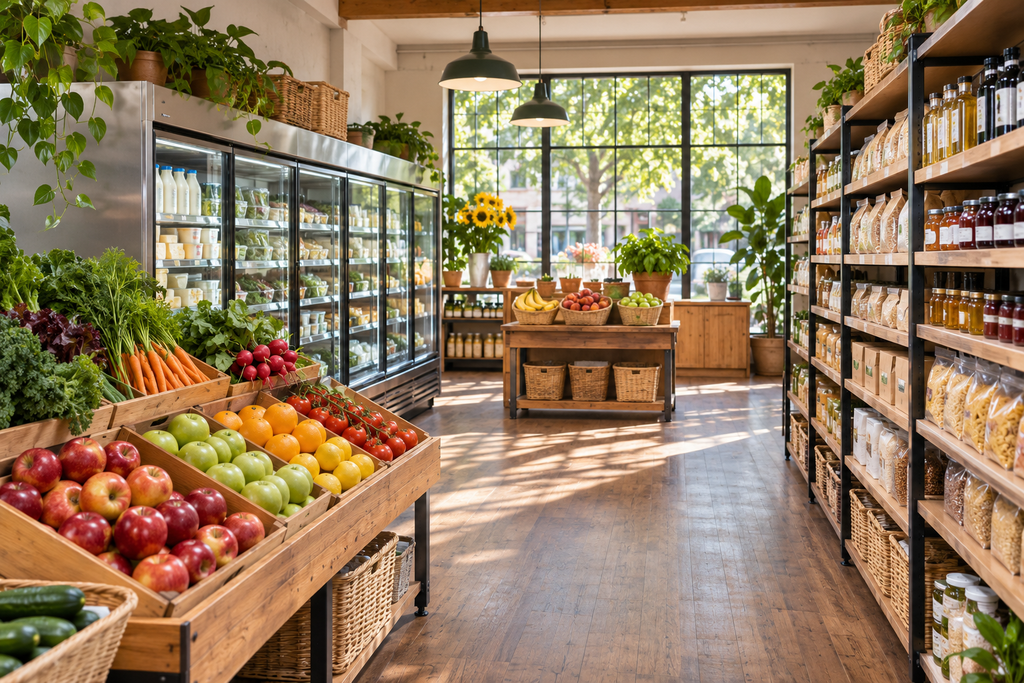
A grocery business depends on stock being safe to sell, refrigeration working and customers being able to use the premises. Food and grocery insurance should reflect those dependencies as well as the building, fixtures and liability exposures. An independent grocer selling fresh products has different questions from a store carrying only packaged goods.
For Ontario owners, the most useful review begins with a walk through the shop and back room. Identify what is owned, leased, refrigerated, prepared on site or delivered to customers. Then use peak inventory and the busiest operating period to test the proposed limits rather than relying on an average quiet day.
Describe what the shop sells and prepares
Explain produce, chilled and frozen food, packaged merchandise, prepared meals and any counter service. Include cooking, slicing, repackaging and products made under your own label. If the store sells regulated products where permitted, describe those activities and confirm operating obligations through the appropriate authorities.
Tell the broker about additional services such as delivery, parcel collection, events or independent concessions. A service may occupy little floor space while creating a different responsibility. Update the description before substantial changes begin, especially where a new prepared-food counter introduces equipment and procedures absent from the original submission.
Use peak inventory when discussing limits
Stock levels can rise before holiday periods, promotions and supplier deliveries. Estimate the largest realistic amount present, including goods in storage and temporary overflow areas. Ask whether seasonal increases or special limits apply and how particular categories are treated.
Clarify the basis of valuation. Retail selling price, purchase cost and the settlement basis under the policy can differ. Keep inventory and purchasing records accessible away from the shop so an affected quantity and value can be explained after a loss. A rough estimate made from memory is less useful than current records.
Separate the building from contents
If you lease the shop, the landlord’s building insurance does not automatically cover your fixtures, equipment or stock. List shelves, display cases, refrigeration, signs, tills and improvements for which you are responsible. Identify supplier-owned or leased equipment and review the relevant agreements.
Ask how property settlement is calculated, which causes of loss are insured and whether insurance-to-value conditions apply. Consider replacement, installation and other relevant expenses. A low contents limit may look attractive in a quote but provide little help if it does not reflect the assets needed to reopen.
Review refrigeration breakdown and spoilage
Chilled and frozen goods depend on systems that can fail internally or be affected by power problems. Ask which equipment breakdown and spoilage protections are included, what triggers them and what limits apply. Do not assume insuring the refrigerator as property answers every question about its contents.
Discuss external utility interruption separately. Ask whether an extension, waiting period or other condition affects the response. Maintain temperature monitoring, service records and an after-hours contact process. Insurance does not replace safe stock handling or ordinary equipment maintenance.
Plan the response to unsafe stock
Give staff clear authority and procedures for dealing with a suspected temperature or contamination issue. Follow applicable safety obligations and preserve appropriate records. Ask the insurer what evidence is needed for a claim, including photographs, quantities and service findings where relevant.
A decision to discard stock does not automatically establish coverage. The cause of loss and policy terms still matter. Keep the safety decision and insurance assessment distinct, and avoid allowing uncertainty about reimbursement to delay an appropriate response to a food safety concern.
Discuss customer and product liability
Commercial general liability can address covered allegations of injury or property damage arising from the business. Explain customer traffic, delivery access, prepared food and products sold under your name. Ask about relevant exclusions and the treatment of defence costs.
Keep records for incidents such as a reported fall or food-related complaint. Staff should record facts, notify management and follow insurer instructions without admitting liability or promising settlement. Clarify maintenance responsibility for shared entrances, parking areas and winter conditions using the lease and service contracts.
Review theft, money and payment fraud
Theft of merchandise, loss of money, employee dishonesty and fraudulent banking instructions are different exposures. Ask which property, crime and cyber arrangements are relevant. A contents limit should not be read as confirmation that every financial loss at the shop is insured.
Explain alarms, cash routines and who can approve payments. Verify supplier banking changes through a trusted method already on file. Limit system access appropriately and review permissions when staffing changes. Practical procedures remain important even where crime or cyber cover is purchased.
Consider deliveries and goods off site
Describe who delivers orders, whose vehicles are used and whether a third-party platform is involved. Ask about the appropriate auto and property-in-transit arrangements. Personal vehicle insurance and a platform’s terms should not be assumed to protect every exposure of the grocery business.
Include stock kept at another warehouse or temporary location and the maximum value moved in one load. Ask about theft, temperature and storage conditions. Clear delivery records help establish what was carried, where responsibility changed and what evidence is available if an order is damaged or missing.
Test interruption against the whole operation
Ask what insured event triggers business interruption and how a partial closure is treated. Losing one refrigeration area may affect the business differently from damage that prevents access to the entire store. Review income calculations, continuing expenses, waiting periods and the indemnity period.
Estimate repair and replacement time using actual suppliers. Discuss temporary refrigeration or alternative premises and any approval requirements for extra expenses. Maintain financial records and reserves for deductibles, retained costs and the period while a claim is assessed.
Prepare a grocery insurance submission
- Product categories, preparation activities and services.
- Peak stock values and relevant storage locations.
- Refrigeration and other equipment ownership.
- Lease and supplier insurance requirements.
- Delivery, security and monitoring arrangements.
- Claims history, deductibles and recovery assumptions.
Compare proposals using the same facts and ask for material exclusions or conditions in writing. Review the inventory and operation after seasonal changes or new equipment. A good insurance conversation should make it clear which losses are transferred and which costs the shop will retain.
Continue your coverage review
For the wider picture, read our hospitality insurance guide. Review Business Interruption Insurance for Restaurants: Income, Triggers and Recovery and Review Machinery Insurance for Commercial Kitchens: Breakdown and Repair Questions.
Explore Sterling’s restaurant insurance options or request a quote based on your operations.
General information only. Coverage depends on policy wording, exclusions, conditions and underwriting approval. Illustration generated for this article.