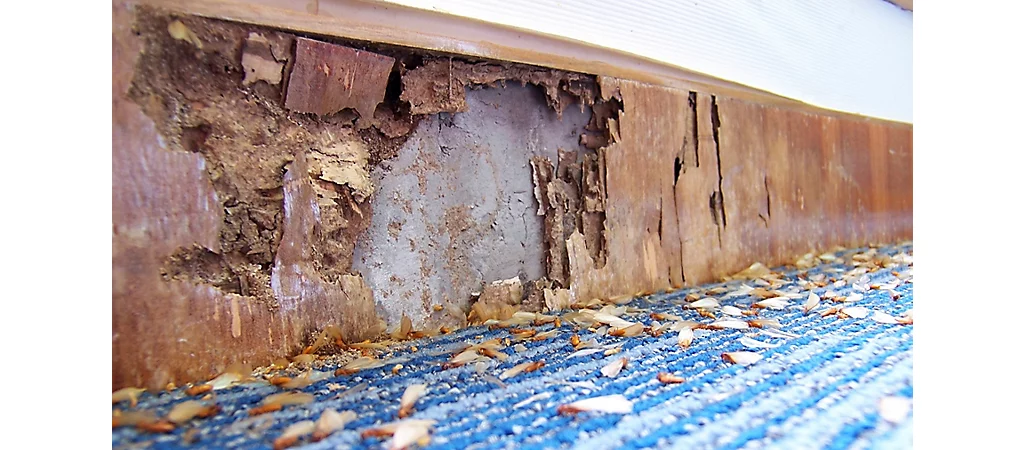
Water leaks and pest problems can become expensive very quickly, especially when they are caused by poor maintenance. Many homeowners assume insurance will cover every type of damage, but that is not always the case.
If water or pests enter through cracks, worn seals, gaps, clogged gutters, or other preventable maintenance issues, the damage may not be covered by a standard home insurance policy. The good news is that a few simple seasonal maintenance steps can help protect your home and reduce the risk of costly repairs.
Why Home Maintenance Matters
Your home’s exterior is the first line of defense against water, insects, rodents, and other unwanted pests. Small openings around doors, windows, vents, pipes, roofing, siding, and garage doors can give pests or moisture a way inside.
By checking these areas regularly, you can catch minor problems before they turn into major damage.
Spring Home Maintenance Checklist
Spring is a smart time to inspect your home after the winter season. Cold weather, snow, ice, and wind can loosen materials or create small openings.
Check these areas:
- Door seals and window screens
- Gutters and downspouts
- Holes around pipes, cables, and wiring
- Roof shingles or tiles
- Gable vents and exterior vent covers
- Crawl spaces for dampness or cracks
If your home has a chimney, make sure it is properly closed and cleaned when not in use. This can help prevent animals from nesting inside.
Summer Pest Prevention Tips
During the summer, pests are more active around the outside of the home. Walk around your foundation and look for signs of insects, burrowing, nests, or tunnels.
Pay attention to:
- Ant hills near the home
- Termite activity or mud tunnels
- Bee or wasp nests
- Gaps in soffits or vents
- Damaged screens or exterior openings
If you notice termites, bees, or a larger infestation, it may be best to call a professional before the issue spreads.
Fall Maintenance Checklist
Fall is the time to prepare your home before colder weather arrives. It is also an important season for preventing pests from entering the home for warmth.
Make sure to:
- Inspect your roof for storm or branch damage
- Clean gutters to prevent water backup
- Drain and shut off outdoor spigots
- Seal gaps where pipes enter exterior walls
- Trim plants or overgrowth touching the house
- Check siding, rooflines, and exterior joints for gaps
Even a small opening can be enough for rodents, bats, or insects to enter.
Do Not Forget the Garage
The garage is one of the most common places for pests and water to enter. Because it is often used for storage, small leaks or droppings can be easy to overlook.
Inspect your garage for:
- Worn garage door seals
- Cracks in the floor
- Clogged gutters near the garage
- Standing water or damp areas
- Food storage or open garbage
- Cardboard boxes that may attract pests
Keeping the garage dry, sealed, and clean helps protect the rest of the home.
Extra Ways to Prevent Infestations
A few simple habits can make your home less attractive to pests:
- Remove food waste from the garage
- Keep grill grates clean
- Store items in plastic bins instead of cardboard boxes
- Treat ant hills before they grow
- Keep clutter away from walls and corners
- Repair small cracks and openings as soon as possible
Final Thoughts
Home insurance is designed to help with sudden and unexpected losses, but regular maintenance is the homeowner’s responsibility. By sealing gaps, cleaning gutters, checking vents, and keeping your garage dry, you can lower the risk of water damage and pest infestations.
A little maintenance throughout the year can help protect your home, reduce repair costs, and give you greater peace of mind.