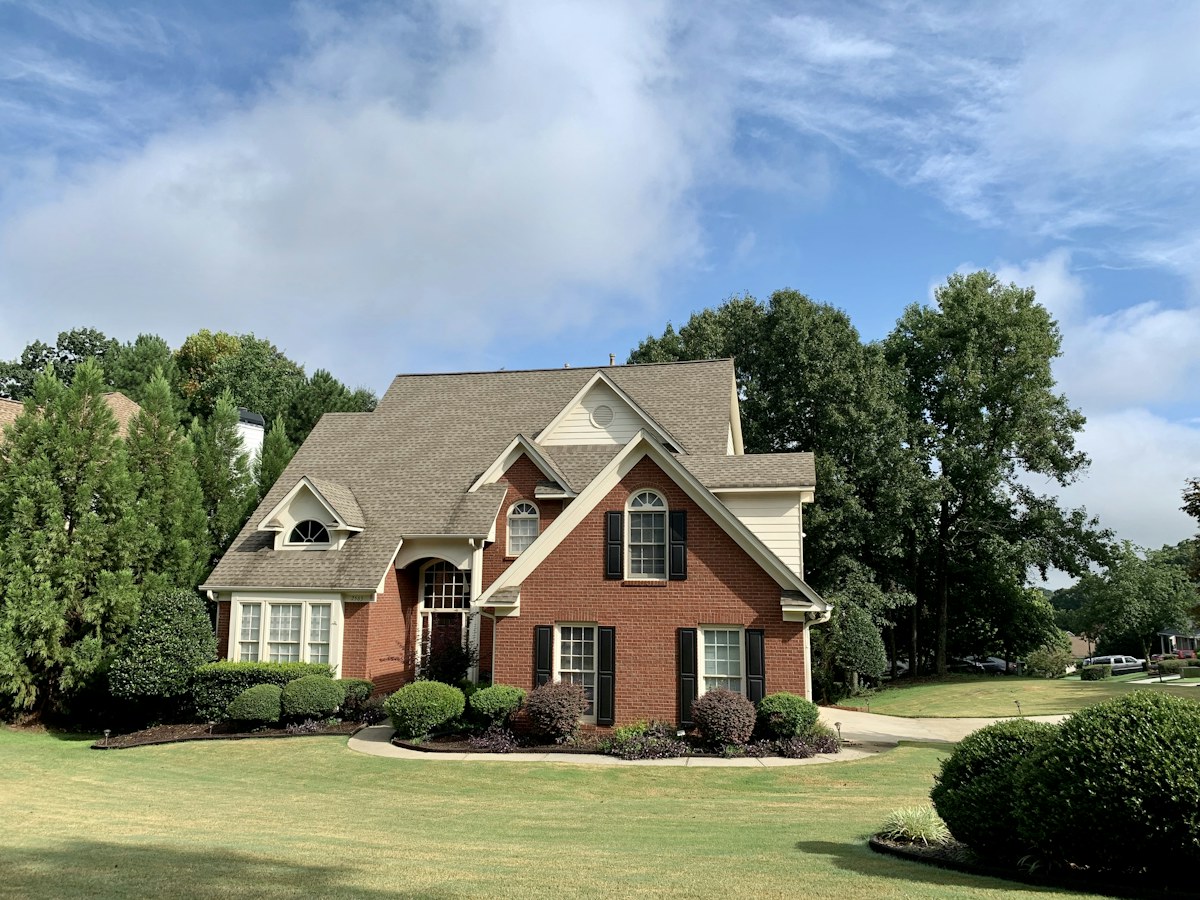
Many owners insure their house using its purchase price or an old estimate. That can leave a mismatch when rebuilding costs, renovations or the policy’s settlement conditions change.
Understand What the Dwelling Limit Measures
The dwelling limit relates to the insured building. It is different from the contents limit, liability limit and the price a buyer might pay for the house and land.
Ask how the insurer calculated the rebuilding estimate. Confirm floor area, construction, finishes and special features rather than relying on an online value that may use different assumptions.
Include Changes to the Home
A finished basement, addition or upgraded kitchen can change the information used in the estimate. Outbuildings may be addressed separately, so identify garages, sheds and other structures.
Send renovation records to your broker. Explain planned work as well as completed work because construction can raise separate coverage and occupancy questions.
Read the Settlement Conditions
A label such as replacement cost does not remove every limit or condition. Ask about any extended or guaranteed rebuilding provision, its eligibility requirements and what happens if you do not rebuild.
Also ask about debris removal and bylaw-related costs. These can be treated differently from repairing the original structure, and available extensions vary by policy.
Choose With Evidence
Request a current insurer-approved rebuilding assessment and keep a copy. If you believe the estimate is inaccurate, explain the specific property details that need correction.
Review the limit at renewal and after major changes. Do not reduce it solely to save premium without understanding the effect on a claim and any insurance-to-value requirement.
Prepare a Building Profile Before Choosing a Limit
Start with the house rather than a target premium. Record its age, construction type, floor area, number of storeys, basement finish and significant attached features. Identify unusual materials or custom work that would be expensive to reproduce. If a measurement is unclear, ask how the insurer wants it calculated. An estimate built on incorrect dimensions can be unreliable even when the resulting limit looks generous.
Keep major renovation records, including additions, kitchen upgrades and structural work. A house purchased years ago may now contain features that were not included in the original estimate. Tell the broker when work was completed and provide invoices or plans where useful. Review whether detached structures, decks or other features fall within the dwelling description or a separate coverage category.
Do not use the remaining mortgage balance as the rebuilding amount. A small mortgage does not make construction less expensive, and a large loan does not establish the actual cost of the building. Similarly, municipal assessment and sale price serve purposes different from insurance reconstruction. Use them as background information if requested, but ask the broker for a building-focused assessment.
Ask What the Reconstruction Estimate Includes
A major loss can involve more than erecting a replacement shell. Ask how demolition, debris removal, permits, professional fees and applicable construction requirements are addressed. Some amounts may be part of the dwelling limit, while other benefits may have separate limits or conditions. Obtain an explanation based on the proposed contract rather than adding every possible expense to a guessed number.
Consider access and location. A house on a difficult site or with limited access may present reconstruction challenges different from those of a standard lot. Describe known issues to the broker so they can be considered appropriately. Avoid assuming that a neighbour’s insurance amount will fit your home simply because both properties have similar selling prices or were built at the same time.
Ask how the estimate responds to changes in labour and material costs. Some policies adjust limits over time, but the process and amount vary. Understand what happens at renewal and whether substantial renovations need immediate notification. An automatic increase cannot reliably compensate for an unreported addition, a mistaken floor area or a major change in the quality of interior finishes.
Understand the Settlement Feature Behind the Limit
The printed dwelling limit is only one part of the settlement discussion. Ask whether the policy provides replacement cost, an extended replacement amount or another arrangement, and request the relevant conditions. Features described as guaranteed can still depend on accurate information, timely updates and other contract requirements. Do not assume that the word removes every restriction or makes the original estimate irrelevant.
Ask how settlement changes if you choose not to rebuild, rebuild elsewhere or replace the home with a smaller structure. The amount payable can depend on the option selected and the wording. A policy limit is a ceiling or reference within the agreement, not an unconditional cash payment after every loss. Discuss these possibilities before deciding that one high limit answers all rebuilding questions.
Other limits should be checked independently. Contents, detached structures and additional living expenses may be calculated by reference to the dwelling amount, but percentages and arrangements differ. Build a contents inventory and think about where the household would live during major repairs. Ask whether expensive jewellery, collectibles or business equipment require special treatment rather than assuming the dwelling feature extends to everything.
A Practical Review With Your Broker
Use a hypothetical example to clarify the proposal: if a covered fire destroys most of the house, what information establishes the rebuilding cost, what deductible applies and which expenses have separate limits? Then ask how a partial loss would be assessed. Comparing these situations helps you understand the policy without pretending that a rough online calculator can predict an actual claim settlement.
If the estimate seems unusually high or low, question the inputs first. Check for double-counted areas, omitted finished space, incorrect construction and outdated finishes. Provide evidence and request a revised assessment when warranted. Do not simply reduce the limit until the premium fits the budget. Discuss deductibles, discounts or alternative suitable coverage as separate affordability decisions.
Revisit the estimate after an addition, substantial renovation or change in property use. Keep written confirmation that the broker received the updated details and review the resulting documents. Before each renewal, compare the property description with the home as it exists today. This is a manageable annual task that can prevent an old estimate from becoming progressively less relevant.
Finally, save the explanation of the chosen limit with the policy. Record the date, the information used and any requirements attached to enhanced settlement features. Future household members should be able to understand why the amount was selected. A defensible dwelling limit comes from a documented reconstruction review and suitable policy terms, supported by continuing updates when the building changes.
Frequently Asked Questions
Should I include the land value?
Do not automatically add land value to a rebuilding estimate. Ask how the insurer separates the structure from its site.
Will a renovation change my limit?
It may. Tell your broker what changed and request an updated assessment.
Is replacement cost unlimited?
Not necessarily. The policy wording, limits and settlement conditions govern the claim.
Final Thoughts
A defensible dwelling limit begins with accurate building information. Revisit the estimate as your home changes and understand the settlement provisions before a major loss tests them.