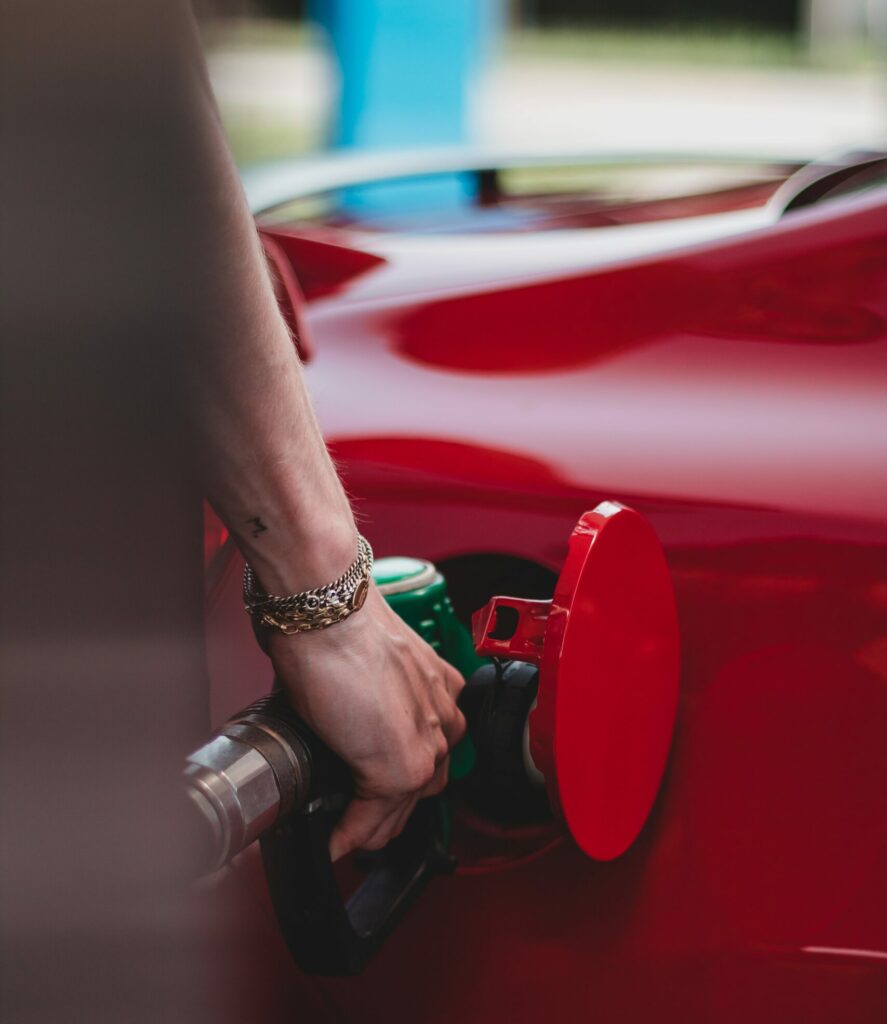
A gas station combines several businesses at one location. There is the fuel operation, the property and equipment, the flow of vehicles and pedestrians, and often a convenience store or food counter. Gas station insurance in Ontario should reflect all of those activities. Describing the business simply as a retail store can leave important questions unanswered about tanks, deliveries, pumps and environmental exposures.
The goal is to build a coverage map for the whole site. Start by identifying what you own, what you lease, which responsibilities belong to another party and what would happen if an important part of the operation stopped. Use that picture when reviewing quotations rather than relying only on the annual premium.
Map the property and responsibilities
Prepare a site inventory that includes the building, canopy, signs, pumps, payment terminals, refrigeration, stock and any other equipment for which you are responsible. List tanks and fuel-handling systems separately so their ownership and insurance treatment are clear. A fuel supplier’s branding does not by itself establish who insures the equipment underneath it.
Collect the lease, supply agreement and equipment contracts. Highlight provisions about repairs, insurance, indemnities and damage to property owned by others. Ask your broker to compare those obligations with the proposed policy. If the owner and operator are different companies, make sure the discussion uses the correct legal entities.
Commercial property coverage
Property insurance can address insured damage to covered assets, subject to the policy terms. Ask which causes of loss are insured and whether particular assets need specific descriptions or limits. Review the settlement basis and values with enough detail to account for replacement, installation and the work necessary to bring the site back into operation.
Consider an illustrative vehicle strike that damages a pump and nearby equipment. You would want to know which property is insured, what deductible applies and how interruption of fuel sales is handled. The driver’s insurance position is a separate issue. Do not assume recovery from another party will provide immediate operating cash.
Liability for customers and other visitors
Vehicles turn through the forecourt while customers walk between pumps and the store. Suppliers and contractors also visit the premises. Discuss commercial general liability for covered bodily injury and property damage claims arising from your operations. Explain site features such as a car wash, propane exchange, food preparation or other services rather than assuming they are incidental.
Liability coverage is not a promise to pay every demand. Exclusions, conditions and the actual allegations matter. Ask how defence costs are handled and which liability limits apply. Keep contractual insurance requirements available so additional insured requests and other wording can be reviewed before you commit to them.
Give pollution a separate review
Fuel releases can create cleanup and third-party liability questions that ordinary property and general liability insurance may not address. Ask about pollution liability designed for the site’s exposures. Discuss the difference between your own cleanup costs, damage to neighbouring property, bodily injury allegations and loss of income following a pollution event.
Supply tank ages, construction information, inspection records and available environmental reports. Be candid about known issues and historical site use. Ask how existing contamination, gradual releases, underground tanks and reporting conditions are treated. The purpose is to understand the particular policy offered, not to assume that the words environmental coverage mean every scenario is included.
Equipment breakdown and interruption
Fuel dispensing, refrigeration and payment systems can be central to daily revenue. Ask whether equipment breakdown coverage is available for the relevant systems and how it interacts with the property policy. Confirm whether resulting stock damage or business income loss requires a separate extension or is addressed by the proposed arrangement.
Then work through a shutdown example. If the pumps cannot operate but the store remains open, how would the business loss be assessed? If power fails away from the site, is there a relevant utility interruption extension? Ask about waiting periods, limits and the documentation needed to demonstrate the loss.
Include the convenience store
A store can add stock, cash handling, refrigeration and food-related exposures. Provide a breakdown of sales and describe prepared food, lottery sales, tobacco, alcohol where applicable and other services. If another operator runs a counter inside the premises, clarify its activities and contractual relationship with your business.
Review seasonal stock peaks instead of using an average that may understate the amount present at busy times. Ask about money, employee dishonesty and other crime exposures separately. Ordinary stock coverage should not be treated as confirmation that cash losses or fraudulent transactions receive the same treatment.
Check the car wash and ancillary services
If the site includes a car wash, repair bay, rental activity or additional service, describe how it operates and who owns the equipment. Ask specifically about damage to customer vehicles and any exclusions relevant to property in your care. A general premises liability discussion may not answer a service-specific question.
Make a list of future changes as well. Installing new equipment, adding a food concession or changing operating hours can alter the information on which the insurer accepted the risk. Build an internal habit of contacting your broker before a substantial operational change rather than waiting for the next renewal questionnaire.
Keep a practical loss-response file
Create a file accessible to the manager responsible during evenings and weekends. Include emergency contacts, insurer reporting instructions, equipment service providers and the person authorized to approve urgent business decisions. Keep photographs, inventories and key contracts somewhere that remains accessible if the store itself cannot be entered.
Insurance reporting is only one part of an incident response. Follow applicable safety procedures and contact the appropriate emergency or regulatory authorities when required. For a possible fuel release, use qualified responders and preserve records. Ask your insurer about consent requirements for expenses as soon as it is safe to do so.
Questions to resolve before binding
- Are the correct owner, operator and business names insured?
- Are buildings, canopies, signs, equipment and stock properly described?
- How are tanks, fuel systems and pollution exposures addressed?
- Which interruption triggers, waiting periods and limits apply?
- Are store, food, car wash and other activities declared?
- What deductibles and outstanding underwriting conditions remain?
Keep written answers with your renewal records. A clear record makes it easier to review the arrangement after equipment changes, ownership changes or an expansion. It also gives the next manager a practical starting point instead of leaving important knowledge with one person.
Explore Sterling’s gas station insurance options and request a quote based on your site, agreements and operations.
Coverage is subject to policy wording, conditions, exclusions and underwriting. Background reading: pollution liability considerations.