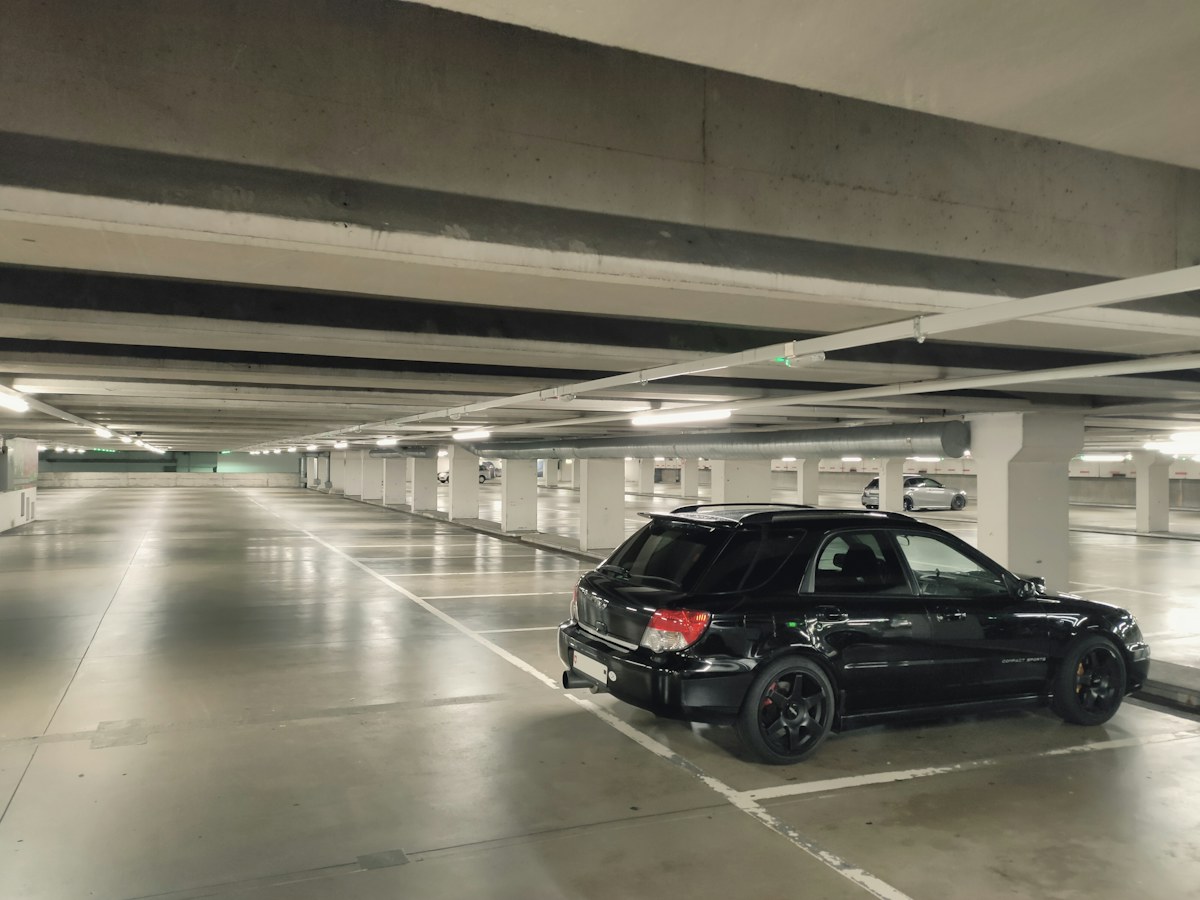
Many drivers assume every auto policy protects against theft. A policy that covers liability does not necessarily include the optional vehicle damage protection needed when a car is stolen.
Find the Theft Coverage on Your Policy
Ask which selected coverage insures theft and read its exclusions. Comprehensive or another applicable form may address the loss, depending on the contract.
Check the deductible, named vehicle and any anti-theft conditions. Do not rely on a generic description of full coverage.
Know How the Vehicle Is Valued
Ordinary settlement can be based on the vehicle’s value under the policy. Optional replacement or depreciation provisions may change the calculation if their conditions are met.
The loan balance does not automatically set the payout. Keep purchase records, accessory details and any endorsements so you can discuss the relevant valuation.
Personal Items and Rental Expenses
A stolen laptop or suitcase inside the car may require a separate contents insurance review. Ask about the interaction between auto and home or tenant coverage.
Also check substitute vehicle or loss-of-use protection. Limits and time periods can matter while police search for the car or a claim is assessed.
Report a Theft Promptly
Contact police and your insurer, provide vehicle identification and follow instructions for keys and documentation. Keep the report number and a factual timeline.
If the car is recovered, ask the insurer before arranging repairs or using it. Photograph visible damage when safe and preserve receipts for authorized expenses.
Confirm the Theft Coverage Before You Need It
Look at the physical damage sections of the policy rather than only the liability card. Ask whether theft is included through comprehensive, specified perils, all perils or another arrangement, and what exclusions and deductible apply. The terms differ, so the coverage name should lead to a wording review. Liability protection alone does not establish payment for a stolen vehicle.
Check that the vehicle description is correct, including its identification number and any material modifications. Tell the broker about security equipment and how the vehicle is kept. If the insurer imposes a theft-related requirement, ask what must be installed or maintained and what evidence is needed. An equipment purchase should not be assumed to satisfy a condition without confirmation.
If the car is financed or leased, review how the lender’s interest is recorded. Theft does not automatically erase the remaining debt. Ask about the settlement basis and any relevant replacement or depreciation endorsement. A vehicle-value payment, a replacement feature and protection for a financing shortfall are different concepts and should not be treated as interchangeable.
Take the First Steps After Discovering a Theft
Prioritize safety and report the theft to police through the appropriate process. Record the report or occurrence number and provide accurate information about the vehicle and last known location. Contact the insurer promptly. If there is tracking information, share it with police and the insurer; do not attempt to confront a suspected thief or recover the car yourself.
Prepare the vehicle identification number, registration details, keys available, purchase or lease information and a factual timeline. Explain who had access and when the car was last seen. If information is uncertain, say so rather than filling gaps with guesses. Preserve relevant photographs, messages or security footage according to the authorities’ and insurer’s instructions.
Ask the insurer what documents are required and how the investigation will proceed. Theft claims can involve verification of ownership, use and circumstances. Keep a dated record of requests and responses. Do not assume that a police report guarantees immediate payment or that a particular number of days creates an automatic total-loss settlement.
Review Vehicle Value and Personal Belongings Separately
Ask how the car’s settlement value is assessed under the policy. Relevant details can include the model, trim, mileage, condition and applicable endorsements. If an assessment uses incorrect information, provide records supporting a correction. The amount paid for the vehicle years ago and the current loan balance are not necessarily the same as the insured settlement value.
Make a separate list of personal belongings inside the vehicle. Clothing, electronics or other possessions may raise a claim question under home or tenant insurance rather than the auto policy. Limits, deductibles and exclusions can still apply. Contact the relevant insurer and avoid assuming that a payment for the car includes everything that was in it.
If the vehicle is recovered, notify the insurer and follow instructions about inspection. Recovery does not necessarily mean it can be driven safely or that there is no damage. Ask how towing, storage, repair and possible contamination or missing parts will be assessed. Keep receipts and do not authorize major work without understanding the insurer’s process.
Budget for the Disruption
Ask whether temporary transportation is included for theft, when it begins and what dollar or time limits apply. Confirm whether the insurer must authorize a rental and what vehicle class is allowed. A rental benefit is not necessarily unlimited while police search for the car. Discuss alternatives if the allowance ends before a replacement is available.
Continue to manage financing and payment obligations while the claim is reviewed. Contact the lender for its instructions rather than assuming payments stop. If a settlement cheque includes a lender or other interest, ask how it will be processed. Keep the insurer’s explanation and the lender’s response together so the financial steps are clear.
After the claim, review prevention and any ongoing insurer requirements. Secure keys, use protective devices appropriately and ask qualified providers about theft deterrence suited to the vehicle. Prevention measures can reduce risk without guaranteeing recovery or coverage. Tell the broker when the replacement vehicle is chosen so its details and accepted protection are confirmed before use.
At each renewal, check theft coverage, deductible and relevant endorsements again. A change in vehicle, location or financing can alter the appropriate arrangement. Keep current photographs and purchase records in a secure accessible place. A good theft plan combines suitable insurance, prompt reporting, organized evidence and realistic expectations about valuation and temporary transport.
Keep Claim Evidence Together
Create one folder for the police reference, insurer correspondence, ownership records and receipts arising from the theft. Label each document with its date and note any follow-up requested. This makes it easier to answer questions without repeatedly reconstructing the timeline. Share sensitive records only through verified channels and keep a copy of everything submitted for your own reference.
Frequently Asked Questions
Does liability-only insurance cover theft?
It generally does not replace theft coverage for the vehicle. Check the selected policy.
Are belongings in the car included?
They may be addressed by another policy, subject to its limits and deductible.
Will a rental car be paid for?
Only if the applicable protection and conditions provide for it.
Final Thoughts
Check theft protection while the car is still in your driveway. Review vehicle coverage, valuation, rental limits and protection for belongings as separate questions.