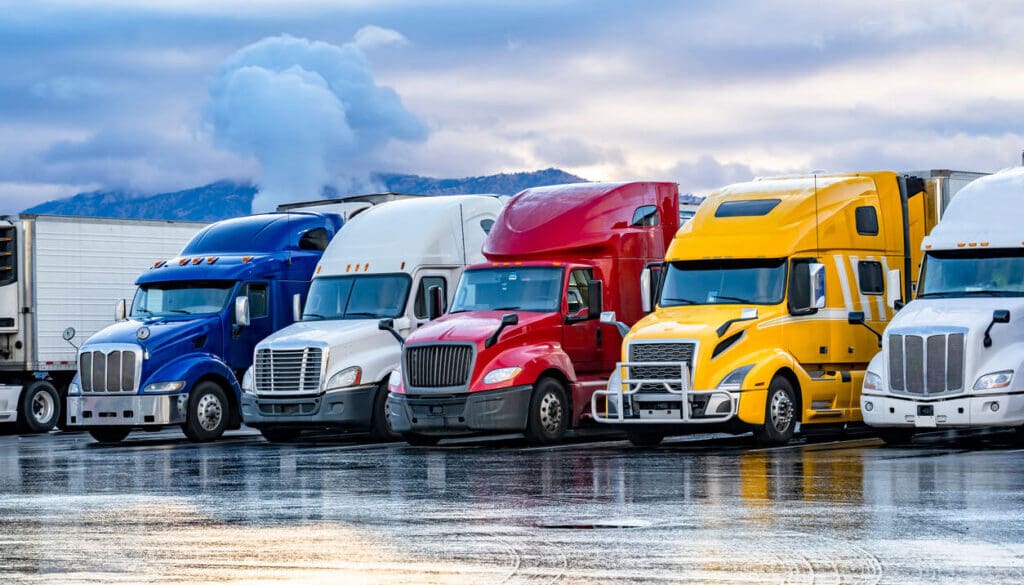
A truck can be your largest business asset and the reason your customers can keep their own businesses running. It can also create several different losses in a single accident: injuries to another driver, damage to the tractor, damaged freight and a missed delivery. Commercial truck insurance in Ontario needs to address those exposures separately. Buying a policy because its certificate shows a large liability limit does not tell you what happens to your equipment or your customer’s goods.
This guide explains the main coverage decisions, the information that affects a quote and the questions to resolve before dispatch. Whether you operate one straight truck or several tractor-trailers, start with an accurate description of your work. A local construction delivery business and a cross-border refrigerated carrier should not expect an identical insurance arrangement.
Start with how the truck is actually used
Tell your broker who owns the truck, who operates it and whose authority the business works under. Explain whether you haul your own products or freight for others. Include your regular radius, occasional longer trips, overnight parking arrangements and every province or country you enter. These details are more useful than simply describing the vehicle as commercial.
Prepare a list of commodities as well. General merchandise, vehicles, fresh food and dangerous goods raise different questions. If your business changes during the year, discuss the change before accepting the work. A contract that looks profitable can become a problem if the promised service falls outside the operations your insurer agreed to cover.
Separate liability, the vehicle and the load
Commercial auto liability addresses covered legal liability arising from use of the insured vehicle. Physical damage coverage addresses insured damage to the truck itself, subject to the selected coverages, valuation and deductibles. Motor truck cargo coverage addresses specified exposures involving goods in your care. These are connected business needs, but they are not interchangeable promises.
For example, consider an illustrative collision involving a loaded straight truck. The other driver’s injury claim, repairs to your vehicle and damage to customer equipment inside the box would need to be considered under the relevant parts of the insurance program. Do not assume that approval of one part of the claim automatically settles the other two.
Review the Ontario requirements that apply to your operation
Ontario requires automobile insurance, but the appropriate truck liability limit depends on the operation and applicable rules. Commercial operators must also determine whether they need a Commercial Vehicle Operator’s Registration certificate and comply with the safety obligations that apply to them. Insurance does not replace a CVOR, inspections, maintenance or safe operation.
Ask your broker to distinguish the legal requirements from requirements imposed by a lender, shipper, freight broker or leasing company. A contract may require different limits or endorsements from those you would otherwise choose. Resolve that difference before promising to provide evidence of insurance or accepting a dispatch.
Understand the 2026 accident benefits changes
For Ontario policies entered into on or after July 1, 2026, medical, rehabilitation and attendant care accident benefits remain mandatory, while other accident benefits are optional. A working driver should specifically discuss benefits such as income replacement instead of assuming the arrangement is unchanged from an older policy. Review eligibility and purchased benefits with your broker.
This matters when an owner-operator’s household depends on the same person who drives the truck. Vehicle repair coverage and a driver’s personal recovery needs solve different problems. Consider existing workplace or private benefits, who is listed on the auto policy and what would happen financially during an extended inability to work.
What affects commercial truck insurance costs?
There is no reliable single premium that fits every Ontario carrier. Underwriters assess the risk presented by the business, including equipment, drivers, commodities, territory and claims experience. Requested limits and deductibles also change the proposal. A new venture may need to provide more background because it does not have a long operating record under its own name.
Compare quotes using the same facts. If one quotation assumes Ontario-only deliveries and another includes regular United States trips, the prices are not directly comparable. The same problem occurs when a lower premium comes with a smaller cargo limit, a higher deductible or different theft conditions. Ask for those differences in writing.
Choose values and deductibles you can support
Review the truck’s description, equipment and declared value carefully. Include permanently attached equipment where relevant and explain financed or leased interests. Ask how a total loss would be valued, whether any special settlement basis applies and how the deductible works. The amount owed to a lender is not automatically the amount an insurer will pay.
A larger deductible can reduce premium in some circumstances, but it transfers more of a loss to your business. Decide using available cash rather than optimism. Consider whether one incident could involve separate vehicle and cargo deductibles, and how you would pay for towing, storage or temporary transport while the claim is assessed.
Look beyond the highway
Trucking businesses also have yards, offices, visitors and contractual obligations. Commercial general liability may be relevant to covered non-auto business exposures. Rented trailers, trailer interchange agreements, stored freight and pollution exposures may require additional discussion. Describe what happens before loading and after delivery, not only the drive between those points.
Ask about any vehicle hired temporarily when your regular truck is unavailable. A replacement arrangement should be checked before the keys change hands. Likewise, confirm the insurance position before borrowing a customer’s trailer or agreeing to store a load over a weekend. These practical changes are easy to overlook during a busy week.
Prepare a useful quote package
- Business legal name, operating name, ownership and experience.
- Vehicle identification numbers, values, financing and equipment details.
- Driver information and experience requested by the insurer.
- Commodities, maximum load values, radius and cross-border activity.
- Prior policies, available loss records and explanations of past incidents.
- Contracts that specify limits, endorsements or certificate wording.
Keep a copy of what you submit. When you receive the proposal, compare it against that package and flag anything that was misunderstood. A clear application gives you a better basis for reviewing the insurer’s terms and updating the policy when your work changes.
Arrange coverage before the first trip
Ask for confirmation of the effective date, insured vehicles, approved drivers, territory and coverages before dispatch. Keep emergency reporting instructions accessible to drivers. A certificate is useful evidence, but it does not replace reviewing the policy and endorsements that determine the actual response to a claim.
Explore Sterling’s trucking insurance options and request a commercial truck insurance quote. Bring your vehicle schedule and a description of your work so the discussion can focus on practical protection for your business.
This article provides general information. Coverage depends on the policy wording, exclusions, conditions and underwriting approval. Reference: Ontario CVOR guidance and FSRA accident benefits guidance.