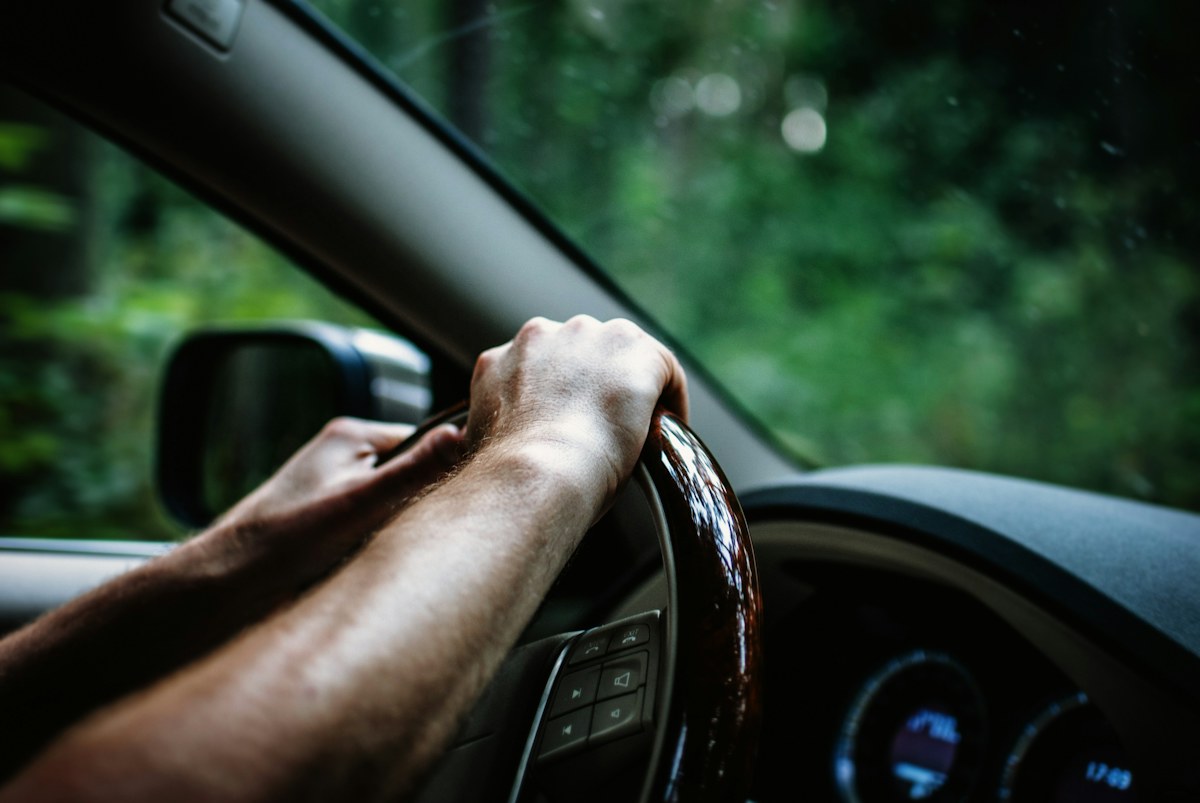
Many drivers assume permission is the only insurance question when borrowing a car. Permission matters, but licensing, driver exclusions, regular use and the vehicle’s coverage also need attention.
Check the Vehicle’s Policy
Ask the owner to confirm that the car is insured and that your intended use is acceptable. Do not assume your own insurance replaces the owner’s policy or covers every loss involving a borrowed vehicle.
A driver named in an exclusion or someone using a vehicle without permission can raise serious coverage issues. Ask the insurance representative about your specific situation.
Explain Regular Borrowing
Borrowing once is different from using a car every week for work or school. Regular access should be disclosed so the insurer can decide how the driver must be listed.
Tell the owner if your use changes. An informal family arrangement can become the car’s main driving pattern without anyone noticing that the policy information is outdated.
Separate Liability and Vehicle Damage
Ask how liability, accident benefits and damage to the borrowed car are handled under the applicable policy. Collision or other optional protection may not be included.
Discuss deductibles and who will pay expenses if a loss occurs. That conversation avoids treating an insurance limit as a promise that borrowing is risk-free.
Before You Drive
Check your valid licence, the owner’s permission, insurance evidence and any use restrictions. Explain delivery work, business travel or travel outside the usual area before the trip.
If an accident happens, exchange the required information, follow reporting rules and contact the owner and insurer promptly. Provide a factual account rather than guessing which policy will pay.
Before Borrowing: Check Permission, Licence and Restrictions
Begin with explicit permission from the owner or another person authorized to lend the vehicle. Confirm that your licence permits you to drive it and that you can comply with any restrictions. Permission is an essential starting point, but it is not a complete insurance review. Ask the owner whether the policy has an excluded-driver endorsement or another restriction relevant to you.
Describe the trip accurately. Borrowing a vehicle for a short personal errand differs from using it every weekday, carrying paying passengers or making deliveries. The owner should contact the broker if the proposed use is outside the routine already disclosed. Do not assume that a vehicle insured for personal use accepts every activity just because the borrower is licensed.
If you live with the owner or have regular access, ask how you should be disclosed or listed. A repeated borrowing arrangement should not be treated indefinitely as a one-time favour. Tell the broker how often you drive, where the car is kept and whether you use other vehicles. The insurer can explain the accepted arrangement under its own rules.
Separate Damage to the Car From Other Consequences
An accident can create more than one type of loss. Damage to the borrowed vehicle raises questions about collision or other physical damage coverage. Injury or property damage involving others raises different questions, and injury benefits have their own requirements. A liability card does not establish that the car has collision protection. Ask which coverages are actually carried before borrowing.
If the car has no applicable physical damage coverage, the owner and borrower may still face repair costs. Even where coverage applies, a deductible or excluded expense may remain. Discuss who would contribute to those amounts before the trip. A private agreement between friends can help set expectations, but it does not change what the insurer owes under its contract.
Do not assume your own auto policy automatically fills every gap. Coverage for non-owned vehicles may depend on endorsements, vehicle type, use and other conditions. If you expect to borrow cars regularly, describe that need to your broker and request an explanation of the relevant arrangement. A general statement about being insured as a driver is not enough.
Plan for an Incident Before It Happens
Know where the vehicle’s insurance evidence and registration information are kept. Save the owner’s contact details and the claim reporting number. If a collision occurs, prioritize safety, follow applicable reporting requirements and exchange necessary information. Record the scene, damage and witness details when safe. Do not promise a settlement or decide liability on the roadside.
Tell the owner promptly, even if the damage seems minor. The owner needs to notify the insurer and preserve the opportunity to investigate. Keep a factual record of the time, place, driver and circumstances. If someone later alleges injury or additional damage, an organized account is more useful than a casual message saying the incident was insignificant.
Follow the insurer’s directions about estimates and repairs. Avoid arranging permanent work or disposing of evidence before the owner and insurer understand the situation, except for reasonable urgent measures. Keep receipts for towing or necessary assistance. The claim should be assessed under the actual policy rather than a promise that the borrower will simply reimburse everything privately.
Common Borrowing Situations to Review
A visiting relative using the car once may require a different discussion from a roommate who keeps the keys and drives regularly. A student taking the vehicle away for a term introduces questions about location and principal use. A spouse commuting in it changes the household driving pattern. Explain the facts instead of looking for one rule that covers all borrowing situations.
If the vehicle is rented, leased through a sharing arrangement or owned by a business, do not apply assumptions from an ordinary family car. The contract may limit authorized drivers or require particular insurance. Review the relevant agreement and ask the broker before use. Personal permission from a friend may not satisfy the rental company’s or employer’s conditions.
Ask about travel outside the usual area, including trips across a border. Territorial limits, licence requirements and available non-owned vehicle coverage can matter. Review these issues before departure while there is time to arrange an accepted solution. Carry the required documents and keep the owner informed about where and how the vehicle will be used.
When the borrowing becomes routine, arrange a proper review rather than repeating an informal exception. Confirm any accepted driver listing and effective date in writing. The safest insurance conversation is a specific one: this driver, this vehicle, this use and these coverages. That approach provides a more reliable answer than a broad slogan about insurance following either the car or the person.
Frequently Asked Questions
Does permission guarantee coverage?
No. Coverage also depends on the driver, use and policy terms.
Should a regular borrower be listed?
Disclose the arrangement and let the insurer explain its listing requirements.
Does my insurance cover damage to the borrowed car?
Do not assume so. Review both policies and any non-owned vehicle protection.
Final Thoughts
Before borrowing a car in Ontario, confirm the insurance arrangement as carefully as the route. Permission and accurate disclosure are essential starting points, followed by the actual policy terms.