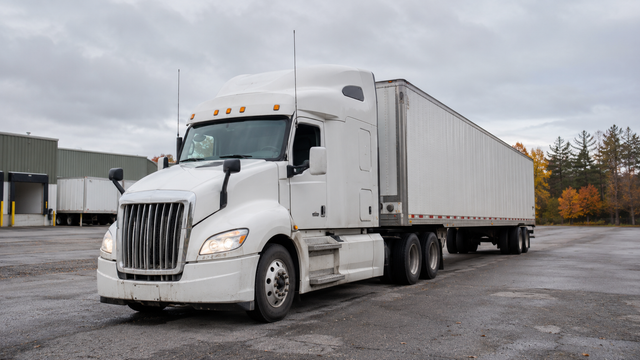
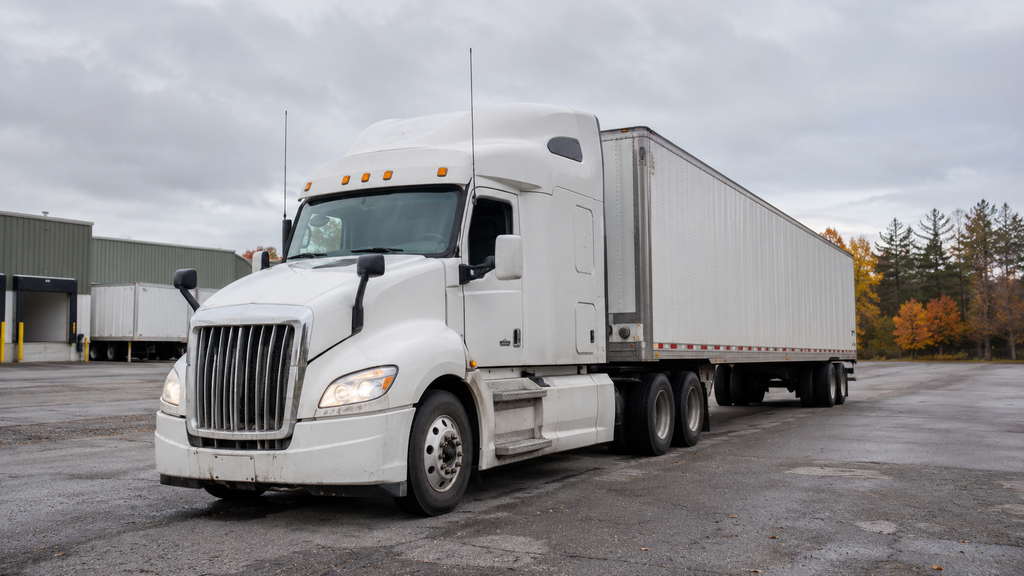
A truck is more than a vehicle. It is how an owner-operator earns a living and how a carrier meets its commitments to customers. A collision, stolen load or damaged trailer can interrupt those commitments quickly. Truck insurance helps address different parts of that risk, but the right policy depends on what you haul, where you drive and who owns the equipment.
This guide explains the main coverage choices for Ontario trucking businesses, what affects a quote and what to check before you put a truck on the road.
What is truck insurance?
Truck insurance is a collection of commercial insurance coverages arranged for vehicles used in business. A policy for a tractor-trailer carrying freight for customers will look different from one for a contractor’s pickup or a local delivery truck. The vehicle, cargo, drivers and operating radius all matter.
There is no single policy that automatically covers every loss. Review the declarations, limits, deductibles, endorsements and exclusions with your broker so you know which vehicles and activities are insured.
Which coverages should Ontario truck operators consider?
Third-party liability
Liability coverage addresses eligible claims when an insured driver causes injury or property damage to someone else. Trucking accidents can involve multiple vehicles, property and costly claims. The required or appropriate limit depends on the operation, applicable rules and customer contracts. A broker can help you assess those requirements.
Physical damage to your truck and trailer
Collision coverage can respond to eligible damage from a collision or upset. Comprehensive coverage generally addresses other listed risks, such as theft or fire, subject to policy terms. If a truck is financed or leased, the lender or leasing company may require physical damage coverage. Check how the vehicle is valued, the deductible and whether attached equipment is included.
Motor truck cargo
Cargo coverage can help protect a carrier against eligible liability for loss of or damage to customers’ goods in transit. Confirm the maximum value of a load, commodities carried, covered routes, theft conditions and any refrigeration or unattended-vehicle restrictions. Ontario’s carriage of goods regulation includes cargo liability insurance requirements for carriers transporting goods for compensation, with specified exceptions. Ask your broker how the rules apply to your operation.
Other coverage worth discussing
Depending on your work, you may need commercial general liability for business activities away from driving, coverage for non-owned trailers, or protection for equipment and property. An owner-operator leased to a carrier should also ask about coverage while operating outside the carrier’s dispatch. The terminology and protection offered vary by insurer, so request written details.
How much does truck insurance cost in Ontario?
There is no reliable flat price for every truck. An insurer typically reviews the vehicle’s value and use, the drivers’ experience and records, claims history, commodities, annual distance, routes and whether the business crosses the border. Coverage limits and deductibles also affect the quote.
For example, a local operator hauling the same low-value goods each day may have a different risk profile from a carrier moving high-value freight across Canada and the United States. Compare quotes using the same information, limits and deductibles; the lowest premium is useful only if the coverage fits the work.
How to prepare for a truck insurance quote
Having accurate information ready can make the process smoother:
- Vehicle and trailer details, including year, make, VIN and value.
- Driver names, licence classes, experience and claims or conviction history.
- Business ownership, years operating and prior insurance information.
- Typical commodities, maximum cargo values, routes and annual distance.
- Cross-border activity, contracts and any requested insurance limits.
- Safety, maintenance and cargo-security procedures.
Tell your broker when operations change. Adding a driver, hauling a new commodity or expanding into the United States can affect the information an insurer needs and the coverage you require.
Questions to ask before choosing a policy
- Are every tractor, trailer and listed driver covered for the way we use them?
- Does the policy cover the goods we haul and their maximum value?
- Are our usual routes, overnight stops and cross-border trips covered?
- What are the deductibles and key exclusions for theft, collision and cargo claims?
- Does the policy satisfy our contracts and the rules applicable to our operations?
- How are vehicle values and claims settlements determined?
Common questions about truck insurance
Does personal auto insurance cover a commercial truck?
Do not assume it does. Business use and hauling for compensation can require a commercial policy or specific arrangements. Explain exactly how the vehicle is used before accepting a quote.
Is cargo automatically covered under truck liability insurance?
Do not assume so. Auto liability and cargo coverage address different exposures. Review the policy wording and confirm the cargo limit and exclusions separately.
Can I insure a new trucking business?
New ventures can seek coverage, although available insurers, requirements and pricing vary. Driver experience, a clear operating plan, maintenance records and details of the work can help a broker present the risk.
Get help reviewing your truck insurance
Whether you operate one truck or a fleet, the useful starting point is a clear picture of your vehicles, drivers and freight. Sterling Insurance Brokers can discuss your operation and help you compare coverage options. Contact our team to request a truck insurance quote.
Coverage is subject to insurer approval, policy wording, limits, deductibles and exclusions. Requirements vary by operation and jurisdiction.