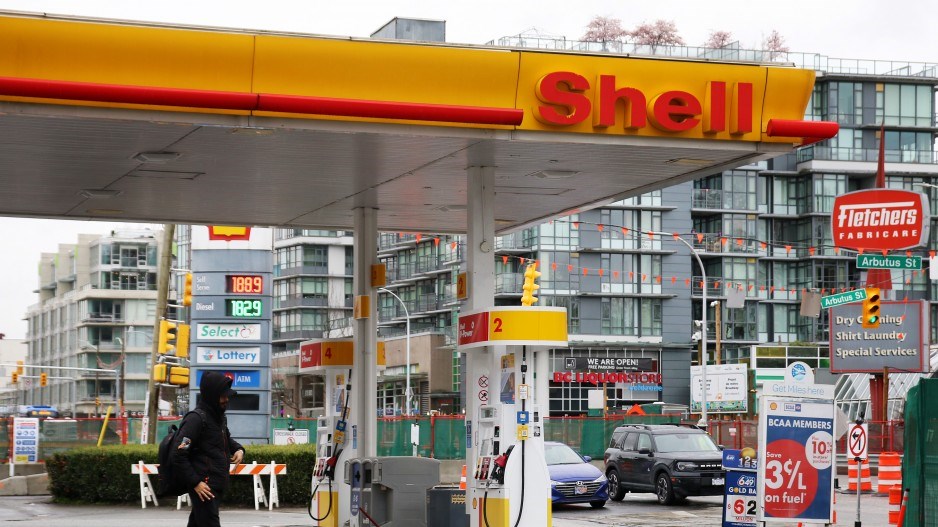
A fuel leak can affect more than the equipment from which it escapes. It can raise questions about soil, groundwater, neighbouring property, emergency response and the ability to keep trading. Environmental liability should therefore be a separate part of a gas station insurance review, rather than an assumption made from the presence of property or general liability coverage.
For Ontario owners, operators and prospective purchasers, the most useful approach is a structured set of questions about the site, its history and the exact policy being offered. This guide explains how to prepare that conversation. It does not replace environmental assessment, legal advice or the emergency and reporting procedures that apply to an actual release.
Why ordinary coverage may leave questions unanswered
Insurance on a building or dispenser does not by itself establish protection for pollution cleanup. General liability also needs to be checked for relevant pollution exclusions and any applicable exceptions. Ask your broker to identify the environmental wording proposed for your site and explain how it interacts with the other policies.
A useful discussion separates repairing damaged equipment from dealing with escaped fuel. Those costs can arise together but may have different coverage treatment. Ask for an explanation using your own assets and operations rather than accepting a broad statement that the site is insured for accidental damage.
Identify the owner, operator and tank responsibilities
List the legal entities that own the land, operate the business and own or maintain the tanks and fuel systems. Provide leases, supply agreements and service contracts. Branding or a familiar supplier relationship does not establish which party accepts responsibility for environmental conditions.
Ask whose interests are insured and whether the policy addresses the responsibilities you actually hold. If a contract requires an indemnity, have it reviewed by the appropriate legal adviser as well as the broker. A policy description and a contractual promise should not be assumed to have the same scope.
Prepare an accurate site history
Collect available environmental reports, tank information, inspection records and documentation of previous releases or remediation. Identify missing records instead of filling gaps with assumptions. A buyer should discuss due diligence with qualified environmental and legal advisers before relying on the seller’s verbal account of the property.
Disclose known issues to the broker and insurer through the appropriate process. Ask how existing contamination and prior conditions are treated. Environmental insurance is not automatically a way to transfer every historical problem. The underwriting decision and wording offered need to be understood in the context of the actual site information.
Ask about sudden and gradual releases
Different pollution wordings may address releases and discoveries differently. Ask specifically about a sudden spill, a slow leak discovered later and contamination migrating from another location. The words accidental or environmental should not be treated as a complete explanation of what events are insured.
Ask which dates matter, whether a retroactive date applies and what notice or reporting provisions must be met. If the wording operates on a claims-made or another time-sensitive basis, request a plain-language explanation of the practical consequences. Keep that explanation with the policy for future renewals or ownership changes.
Separate cleanup at your site from claims by others
First-party cleanup and third-party allegations are different exposures. Ask how the policy treats investigation and remediation on your premises, damage to neighbouring property, bodily injury claims and environmental damage. Review relevant limits, deductibles and sublimits rather than assuming all expenses share one broad limit.
Use an illustrative scenario involving a release near a boundary. Which questions concern your own land, and which concern another owner? What approval is needed before appointing consultants? The purpose is to understand the process and available protection, not to predict a guaranteed settlement for a hypothetical event.
Discuss emergency response before it is needed
Ask whether emergency response expenses are addressed and how to contact the insurer outside business hours. Determine what consent requirements apply where circumstances allow. Keep qualified response contacts and site procedures accessible to the manager responsible on every shift.
Safety and applicable regulatory reporting must remain priorities. Ontario’s Technical Standards and Safety Authority describes an Environmental Management Protocol for fuel handling sites that addresses reporting, assessment and management of petroleum released into the environment. Confirm the obligations applicable to your site with the appropriate authorities and advisers; insurance notification alone does not complete them.
Review interruption and extra expenses
A pollution event can affect access, fuel sales or the whole location. Ask whether the environmental arrangement addresses business interruption or extra expenses and what must happen to trigger that protection. Do not assume the ordinary property interruption section applies simply because the business cannot operate.
Consider how you would document separate fuel and convenience store revenue, continuing expenses and temporary arrangements. Ask about waiting periods, limits and the duration of cover. Maintain a continuity plan and cash reserve for expenses or situations outside the insurance terms, as well as the period while a reported loss is investigated.
Check contractors, deliveries and transport
Explain who delivers fuel, maintains tanks, removes waste and performs excavation or other work near the system. Ask how your policy treats operations performed on your behalf and whether transportation-related pollution needs a separate review. Obtain appropriate evidence of contractor insurance without assuming that it resolves your own exposures.
Keep agreements, work reports and incident records together. Before major work, tell the broker what is planned and discuss any change in risk. A maintenance project or redevelopment can raise questions that differ from routine fuel retailing. Review them before work begins rather than after a previously unknown condition is discovered.
Questions for a renewal or purchase review
- Which entities, locations and fuel systems are insured?
- How are existing conditions and gradual releases treated?
- Which cleanup, third-party and interruption exposures are addressed?
- What dates, notice requirements and consent conditions apply?
- Which limits, deductibles and exclusions matter most?
- What happens if ownership changes or coverage is replaced?
Obtain written answers based on the actual proposal. Keep the complete wording, endorsements and site information in a durable business record. At renewal, compare the new terms rather than assuming the same insurer or similar policy name means the arrangement is unchanged.
Build an informed environmental review
Environmental risk management combines sound site information, maintenance, appropriate response planning and a careful insurance discussion. Each serves a different purpose. Start early when buying a property, changing tank systems or planning substantial work, so the advisers have time to review the facts.
Explore Sterling’s gas station insurance options and request an environmental coverage discussion for your site.
General information only; coverage depends on policy terms and underwriting. References: TSSA Environmental Services and environmental insurance considerations.