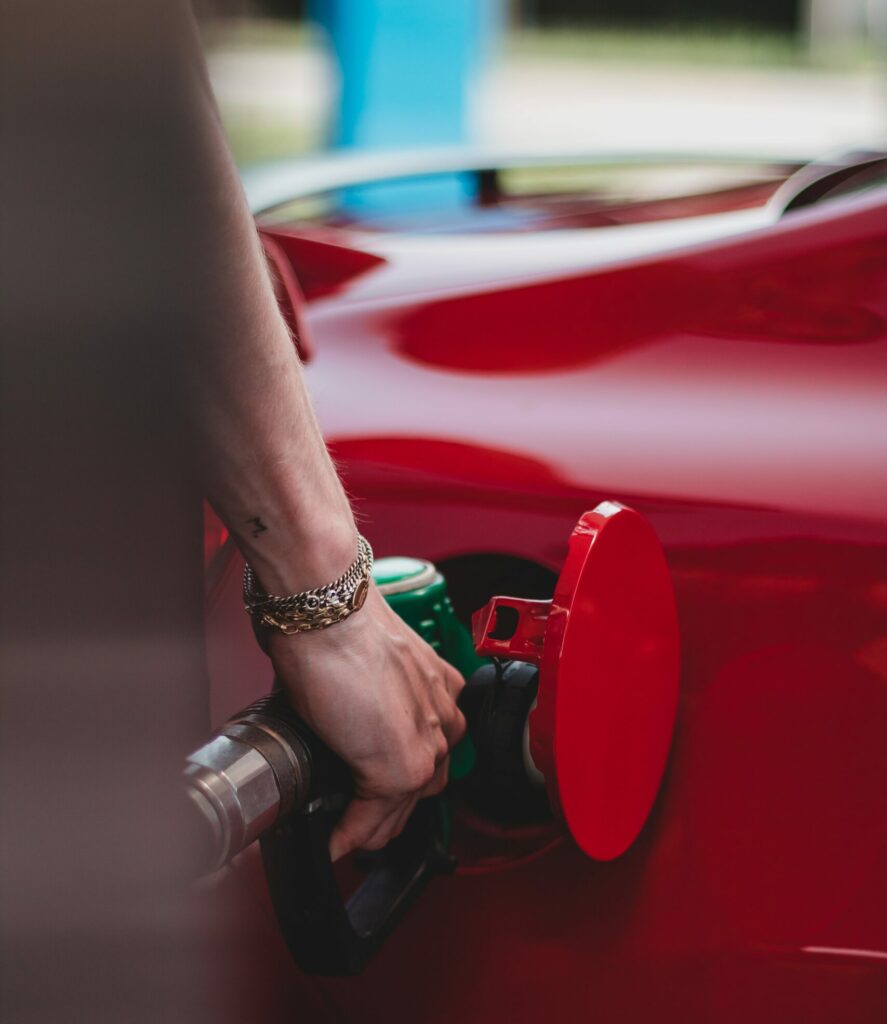
A damaged pump, a failed refrigeration system and a customer’s injury can all disrupt a gas station, but they do not raise the same insurance question. Property damage, equipment breakdown and liability are separate parts of a gas station insurance review. Understanding the difference helps Ontario operators ask better questions before a loss and report an incident to the appropriate insurer afterward.
The practical approach is to test the proposed policy against a few realistic business situations. Describe the asset or activity, identify who owns it and ask which coverage could respond. The examples below are illustrative questions for discussion, not promises that a particular claim will be paid.
When physical property is damaged
Commercial property insurance addresses insured damage to covered property, subject to the causes of loss and conditions in the policy. Start with the actual schedule: buildings, canopy, signs, dispensing equipment, stock and store contents. Check whether property belonging to suppliers, landlords or equipment lessors needs special treatment under your agreements.
Imagine that a vehicle strikes a dispenser and damages nearby fixtures. Ask whether the damaged items are insured, which deductible applies and whether installation costs are reflected in the values. The potential responsibility of the vehicle’s driver does not remove the need to understand your own insurance arrangement and reporting obligations.
When equipment fails from within
Equipment breakdown focuses on specified types of breakdown rather than every reason equipment stops working. Ask your broker which pumps, electrical systems, refrigeration units and other equipment are included in the proposed arrangement. The fact that an asset appears in a property inventory does not answer every question about internal mechanical or electrical failure.
Ask what information an adjuster would need after a failure and whether you must retain damaged components for inspection. Discuss how service contracts, warranties and maintenance responsibilities interact with the policy. Insurance should not be treated as a substitute for replacing worn-out parts or correcting a known maintenance issue.
When a third party alleges injury or damage
Liability coverage concerns covered claims against your business for injury or damage to others. A visitor who alleges they slipped near the entrance presents a different issue from damage to your own door. Explain the forecourt layout, pedestrian routes, deliveries and any additional services so the broker understands how people use the site.
Ask how the policy handles defence costs and which exclusions matter to your work. If another business operates on the premises, provide the agreement and explain who controls each area. Avoid assuming that common ownership of a site, shared signage or a fuel brand makes all parties insured under the same policy.
One incident can involve several coverages
Consider a hypothetical electrical event that damages a store refrigeration system. There may be equipment repair costs, spoiled stock and a reduction in store sales. A single incident does not guarantee a single coverage section, deductible or settlement process. Ask how the proposed program addresses each resulting expense.
Use a written worksheet with rows for physical repairs, stock, lost income and urgent expenses. Mark the relevant coverage, any sublimit and the conditions the broker identifies. This exercise is more useful than asking whether the policy is comprehensive, because it produces answers about the costs your own business might actually face.
Check interruption triggers and timing
Business interruption should be reviewed alongside the event that stops trading. Ask what insured damage must occur, how a partial shutdown is measured and how long the cover can continue. A pump closure with an open convenience store may affect the business differently from a loss that prevents all access.
Build a recovery timeline that includes investigation, parts ordering, specialist work, inspections and reopening. Ask about waiting periods and any relevant utility interruption extension. The business may need cash during the early stages of a claim, so maintain reserves rather than assuming insurance proceeds will arrive before every bill becomes due.
Value specialist equipment realistically
A dispenser’s purchase price is only one input to replacement planning. Ask contractors for current information where necessary and consider installation, programming and site work. Explain upgrades and modifications to your broker. If a replacement must meet current requirements, ask how the policy treats additional costs rather than assuming every upgrade is included.
Keep an equipment register with identifying details, ownership, age, service provider and available invoices. Update it after major purchases or replacements. A reliable register supports quotations and helps managers communicate accurately after an incident, especially when the person who arranged the original installation is unavailable.
Keep pollution separate from ordinary damage
Fuel contamination of soil or water raises a distinct environmental coverage question. Property insurance on a pump and liability insurance for customer injuries should not be read as automatic confirmation of pollution cleanup protection. Ask about the relevant environmental policy and how it treats the particular tanks and operations at your site.
Discuss first-party cleanup, third-party allegations, emergency response and income loss as separate questions. Provide environmental history and records honestly. If contamination is already known, bring it to the broker’s attention before requesting terms. The proposed wording and underwriting decision determine the actual protection available.
Document responsibilities with contractors
Maintenance companies, fuel delivery operators and other contractors may work around equipment essential to your business. Before work begins, clarify who controls the task and request appropriate evidence of insurance. Give unusual insurance and indemnity wording to the relevant advisers instead of assuming a contractor’s certificate resolves every contractual concern.
After work is completed, retain service reports and note any outstanding recommendations. Tell the broker about substantial changes to systems or operations. Keeping maintenance and insurance records together makes it easier to explain the site’s condition and responsibilities if a later incident involves recently serviced equipment.
Make a manager’s reporting checklist
- Protect people and follow emergency procedures first.
- Record what happened without guessing at the technical cause.
- Identify damaged equipment and preserve relevant records.
- Notify the appropriate insurer or broker promptly.
- Ask about approval requirements for repairs and urgent expenses.
- Track downtime, sales effects and extra costs separately.
Do not discard parts, admit liability or agree to a settlement without appropriate guidance. Different events require different responses, particularly if fuel is involved. Managers should know where to find current reporting contacts at any hour the site operates.
Review the whole site before renewal
Compare the current inventory and activities with the information in the insurance submission. Include the convenience store, car wash, food services and newly installed equipment. Ask for a written explanation of the most important distinctions between property, breakdown and liability so the owner and manager share the same understanding.
Visit Sterling’s gas station insurance page or request a coverage review. Bring the equipment register and contracts to make the discussion specific to your location.
General information only. Coverage depends on policy terms. Background: equipment breakdown coverage.