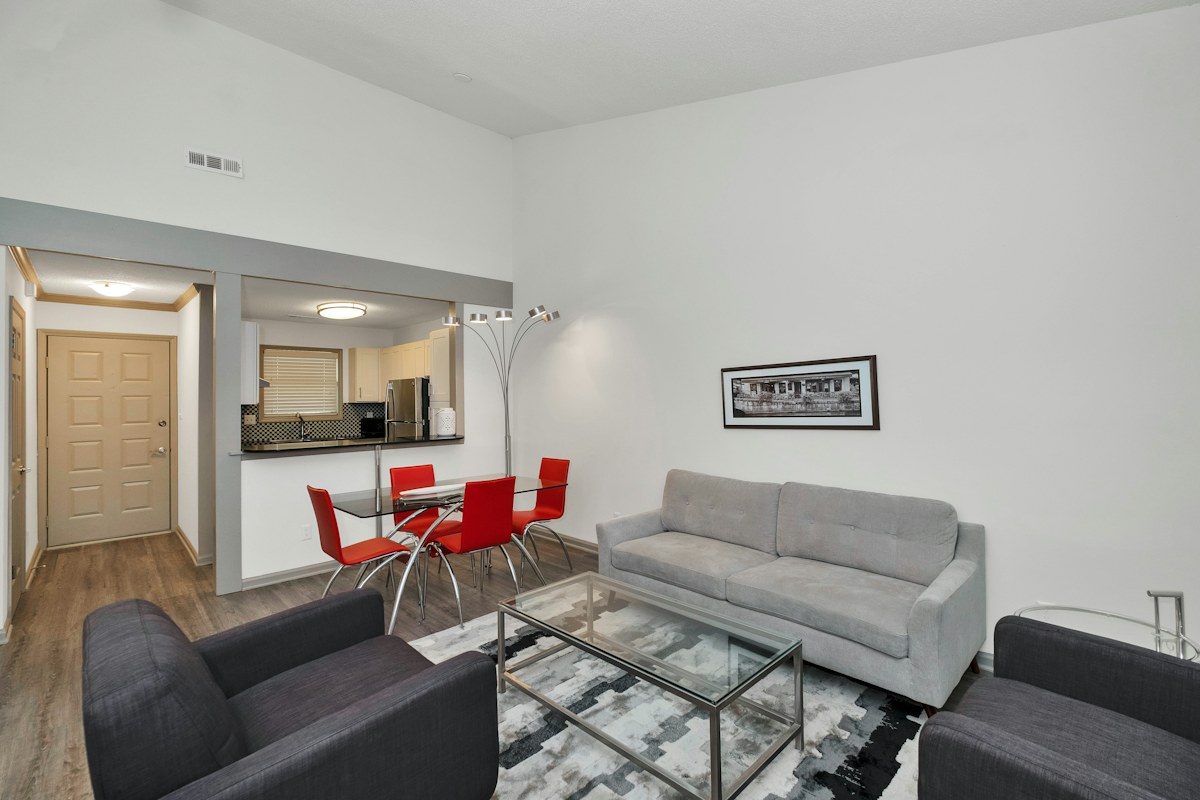
Many renters estimate insurance needs from the size of their apartment. The cost to replace belongings, the liability limit and temporary accommodation needs can matter more than the number of rooms.
Renters insurance ontario cost deserves a careful review before you rely on it. The following checklist explains the practical questions to raise with your insurance representative.
Build a Contents Estimate
List furniture, clothing, kitchen items, electronics and other possessions using realistic replacement prices. Include items in storage and ask about valuables with special limits.
The total can exceed what you expect because replacing everything at once is different from buying items gradually. Keep photographs and receipts to support the inventory.
Understand What Drives the Quote
The address, building details, selected limits, deductible and claims information can influence a tenant quote. Insurers may evaluate the same situation differently.
Ask for the full annual cost and any payment charges. Avoid presenting an average premium as a promise for your own rental.
Compare the Protection
Check contents valuation, personal liability, additional living expenses and optional water coverage. Use the same limits and deductible when comparing providers.
If the lease specifies a liability limit or proof of insurance, discuss it with your broker. Meeting that condition does not automatically establish adequate contents protection.
What a Tenant Quote Is Pricing
A tenant policy is based on the residence, household and protection requested rather than a single Ontario-wide price. Location, building characteristics, contents limits, deductibles and insurer rules can affect the offer. Ask for a quote using your own facts instead of treating an online average as a promise. The final accepted premium may differ from an early estimate.
Describe the rental accurately, including the type of unit, who lives there and any business activity. Tell the broker about roommates or subletting rather than assuming the policy covers everyone at the address. Ask which people qualify as insured under the contract and whether unrelated occupants need separate policies. Occupancy information can matter as much as the amount of furniture you own.
Compare annual cost and payment terms. A displayed monthly amount may include or exclude instalment charges or require a down payment. Ask for the total payable and cancellation calculation, especially if you expect to move during the term. A short lease does not necessarily mean the insurance contract operates month by month.
Estimate Belongings Room by Room
Walk through the rental and list clothing, furniture, kitchen items, electronics and other possessions. Think in terms of replacing them, not what you might receive in a second-hand sale. Small items add up when an entire household is affected. An inventory can help choose a contents limit and support a claim if loss occurs later.
Identify valuable or specialized items separately. Jewellery, collectibles, expensive bicycles, musical instruments and business equipment may have special limits or require an endorsement. Ask what the proposed policy provides for each item that matters to you. A large overall contents limit should not be assumed to remove every category-specific restriction.
Ask about property away from the rental, including belongings in storage or a vehicle. The terms and limits can differ from property at the insured residence. If you travel frequently or keep equipment elsewhere, explain the pattern. Avoid assuming that portability of an item means it is insured everywhere against every cause of loss.
Review Liability and Living Expenses Separately
Liability protection addresses accepted claims of legal responsibility under the policy, not just the value of your possessions. A visitor injury or accidental damage to another person’s property can have consequences even for a tenant with little furniture. Ask which limit and conditions apply. The landlord’s building policy does not establish that your own legal responsibility is insured.
Additional living expenses can be important if an insured loss makes the unit uninhabitable. Ask what triggers the coverage, which expenses qualify and what limits or time conditions apply. It should not be treated as reimbursement for every move or inconvenience. Discuss how you would report an urgent displacement and obtain guidance about temporary arrangements.
Read the lease’s insurance requirement and ask whether the proposed policy meets it. A landlord may request evidence of a stated liability limit or notification status. Providing that evidence does not change the policy’s exclusions or guarantee acceptance of every claim. Keep the lease request and issued documents together and ask about any wording you do not understand.
Find Savings Without Losing the Purpose of the Policy
Ask about suitable discounts and compare equivalent proposals. Combining policies may help in some situations, but compare total cost and coverage rather than a percentage alone. If considering a higher deductible, request the actual saving and ensure you can fund the increased share of a covered loss. A low premium is less useful if a claim expense is beyond your available cash.
Do not lower the contents limit merely to match an arbitrary price target. Check the inventory and ask about suitable options. Likewise, removing liability or living-expense protection can change the policy’s purpose. Have the broker identify whether a proposed saving comes from a discount, a deductible change or less insurance. These are different decisions.
If your situation changes, update the broker. Moving, adding a roommate, starting a business or storing belongings elsewhere may require review. Arrange the accepted new address and dates before cancelling an old policy. A tenant policy can sometimes be amended, but do not assume a move is covered automatically without confirmation.
At renewal, revisit the inventory and read the new terms. New purchases or a changed household may make last year’s limit unsuitable. Keep claim contacts accessible and store photographs and important receipts securely. Tenant insurance cost makes most sense when considered alongside the protection and retained expenses rather than as a stand-alone monthly bill.
Use the Quote as a Checklist
Before accepting, confirm the insured occupants, residence address, contents limit, liability amount, deductible and additional living expense terms. Ask which questions remain subject to approval and obtain evidence of the effective date. Save the final quote and compare it with the policy when issued. This helps distinguish a suitable accepted arrangement from an attractive estimate based on incomplete information.
Frequently Asked Questions
Is tenant insurance priced by apartment size alone?
No. The insurer considers the risk and coverage information it requests.
Should I insure only expensive electronics?
Make an inventory of all belongings rather than overlooking everyday replacement costs.
Is a monthly quote the annual cost divided by twelve?
Not always. Ask about payment charges and the total.
Final Thoughts
Estimate renters insurance cost through an actual quote based on your belongings and rental. Compare protection and annual cost before selecting the lowest payment.