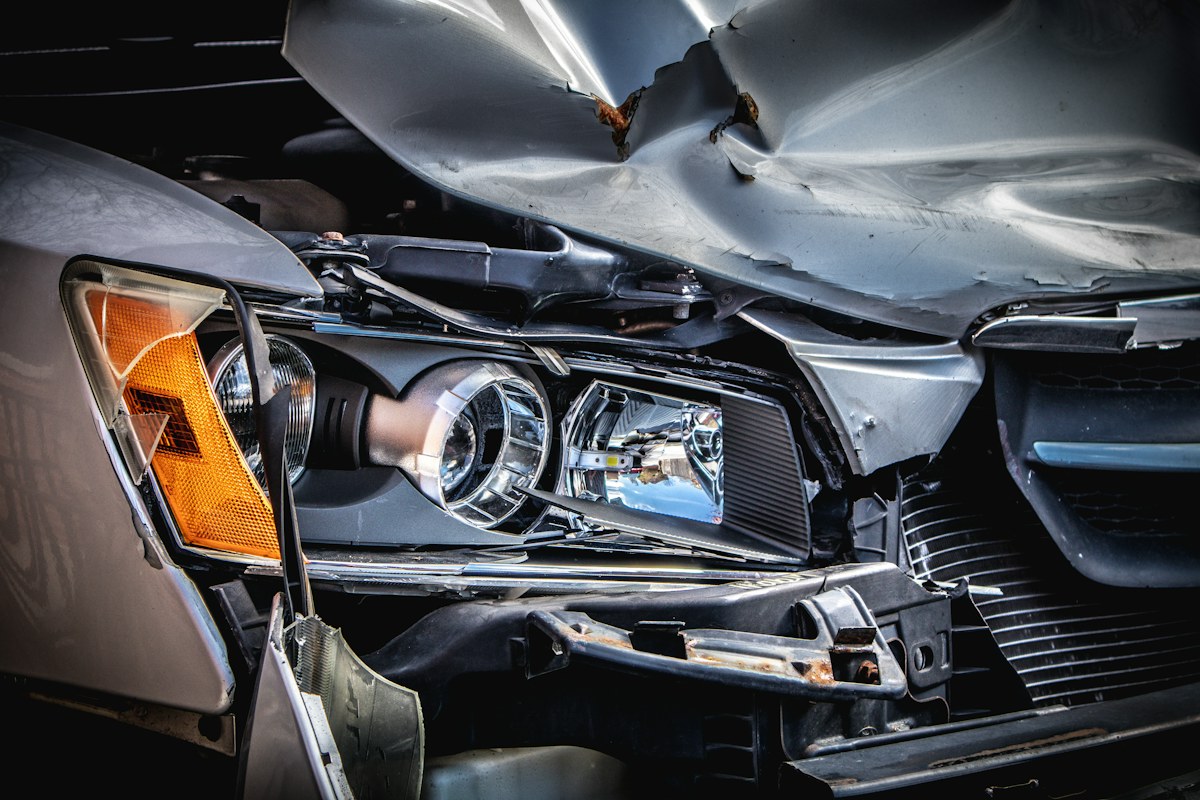
Many drivers discover after a crash that their policy does not include the vehicle damage protection they expected. Collision coverage deserves a separate review before an accident.
Understand the Purpose
Collision coverage generally concerns insured damage from a collision with another object or an upset, subject to the policy. It is separate from legal liability to other people.
Ask which circumstances are handled by collision and which may fall under another part of your provincial policy. Avoid assuming the same rules apply everywhere in Canada.
Review the Deductible and Settlement
Check the deductible and how the insurer values a repair or total loss. The outstanding loan balance is not automatically the amount paid under ordinary vehicle damage coverage.
If the car is financed or leased, confirm required coverage and any optional protection you are considering. Keep purchase documents and details of modifications.
Deciding Whether to Carry It
Consider the vehicle’s value, repair costs, your ability to replace it and any lender requirements. Compare the premium for the selected deductible rather than judging the decision only by the car’s age.
An older car can still be essential to work or family life. Ask for a comparison showing what you would retain and lose if collision were removed.
After an Accident
Report the incident and follow the insurer’s repair and assessment process. Photograph damage if safe and keep estimates.
Ask about substitute transport separately. Collision coverage does not itself establish that every rental expense or loss of use is included.
Separate Collision From Other Vehicle Protection
Collision protection is concerned with insured damage to your own vehicle from a collision or upset under the contract. It should be reviewed separately from liability, injury benefits and non-collision physical damage coverage. A car can have some of these protections without all of them. Ask the broker to identify the actual coverages and deductibles shown on your declarations.
Test the proposal using specific examples: striking a pole, overturning on a slippery road or being involved in a crash with another vehicle. Then ask about theft, falling objects and vandalism separately. These events do not all belong to the same coverage category. The insurer determines the applicable section from the facts and wording rather than the policyholder choosing the most favourable label.
In Ontario, the handling of damage involving another vehicle can also depend on direct-compensation arrangements and policy choices. Do not assume that fault alone answers every question about coverage or the deductible. Ask how your policy handles an identified insured vehicle, an unidentified vehicle and a single-vehicle crash. Keep the explanation with the declarations for reference.
Decide Whether the Protection Fits the Vehicle and Budget
Consider the financial effect of losing access to the car. Its market value matters, but so do savings, replacement options and reliance on it for work or caregiving. A household that could readily replace an older car faces a different decision from one that would struggle to fund repairs. Request the actual premium for collision rather than applying a universal age cutoff.
Compare the deductible with the vehicle’s potential settlement value and your emergency funds. If damage is below the deductible, there may be no payment for that damage. If the car is a total loss, the settlement is assessed under the policy and circumstances; it is not automatically the purchase price or loan balance. Ask how valuation is determined and whether any relevant endorsement is available.
For leased or financed vehicles, check the agreement before removing collision protection or increasing the deductible. The lender may require specified physical damage coverage. An outstanding loan also remains a financial obligation even when a vehicle is unusable. Ask how the insurance arrangement and financing requirements fit together rather than treating premium savings as the only decision factor.
Understand the Repair and Total-Loss Process
After a collision, report the facts promptly and ask about estimates, inspection and repair authorization. Keep photographs and a clear account of the incident. Reasonable emergency measures may be necessary, but major repair work should be coordinated with the insurer. An early private estimate is useful information, not necessarily the final accepted scope or settlement.
Ask what repair parts and methods are covered and how prior damage or elective upgrades are handled. Request an itemized explanation if the estimate includes work you do not understand. Separate restoring insured damage from improving the vehicle beyond its previous condition. Keep records of the agreed work and ask whom to contact if hidden damage is discovered during repairs.
If the insurer considers the vehicle a total loss, ask for the valuation basis and the supporting vehicle description. Check the trim, mileage, condition and equipment used in the assessment. Provide evidence of material inaccuracies rather than relying only on the amount you hoped to receive. Ask how salvage, financing interests and any deductible affect the final payment.
Plan for Transportation and Claim Responsibilities
Collision coverage does not automatically answer every rental-car question. Ask whether loss-of-use protection is included, what limits apply and how authorization works. A repair delay may exceed a rental allowance, and a total-loss settlement can change when rental reimbursement ends. Arrange a practical backup plan if the household depends on the car daily.
Know the claim reporting number and keep insurance evidence accessible. Follow applicable collision reporting requirements and forward any demands or legal documents promptly. Avoid promises of payment or private releases while the full consequences are unclear. A collision can involve injury and third-party claims as well as the damage you can see.
Review coverage again when the vehicle’s value, financing or household savings change. Removing collision is a decision to retain that exposure, not merely a routine adjustment for an older car. Ask for the premium difference and think through how you would fund a replacement. Keep the agreed change and effective date in writing.
At renewal, check that the vehicle details, drivers and use remain accurate. A change to deliveries, commuting or regular borrowers can affect the accepted risk. Collision protection is most useful when it forms part of a current policy that reflects the actual car and driving routine, with a deductible and temporary transportation plan the household can manage.
Frequently Asked Questions
Is collision the same as comprehensive?
No. The coverages generally address different causes of damage.
Will insurance pay my entire car loan?
Do not assume so. Vehicle valuation and loan balance are separate issues.
Can I remove collision from a financed car?
Check the financing agreement and insurer’s options before changing coverage.
Final Thoughts
Collision insurance should be reviewed as a practical replacement-and-repair decision. Understand the deductible, settlement basis and transport needs before choosing the protection.