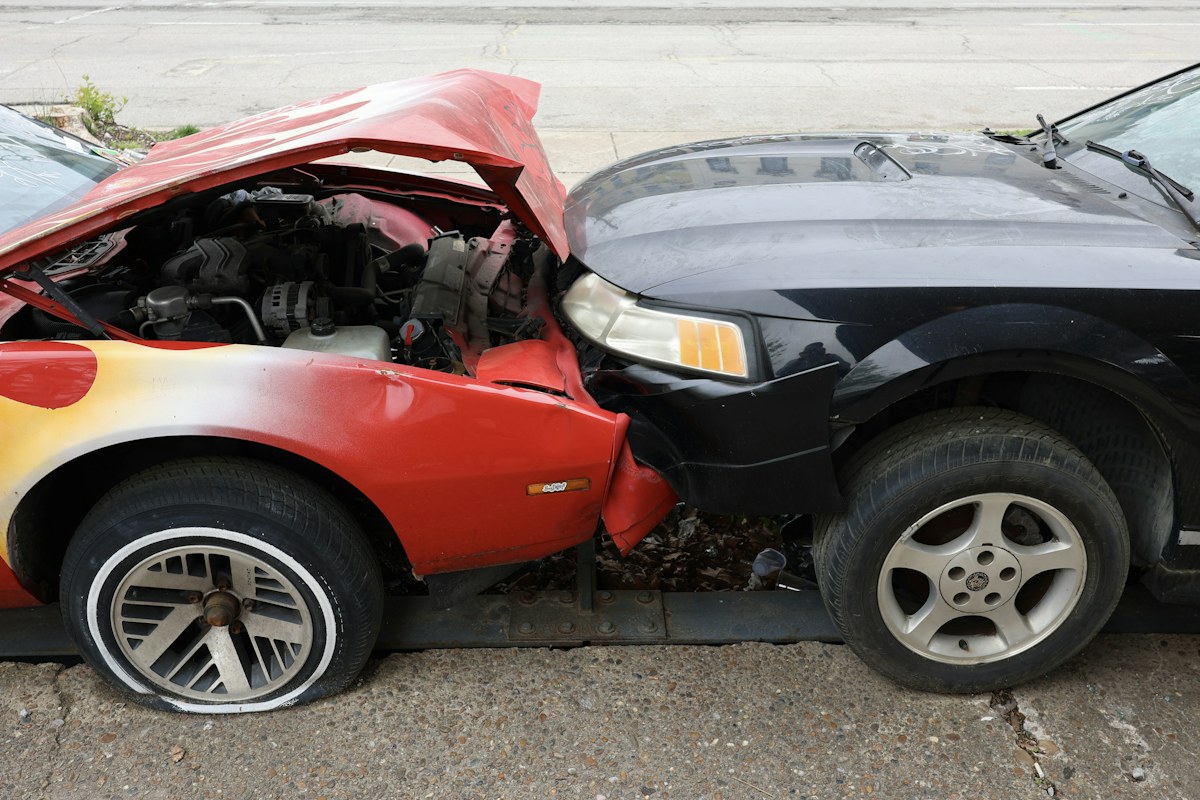
Many drivers assume liability insurance also pays to repair their own car after an accident. That misunderstanding can leave a vehicle damage bill that requires a different part of the policy.
What Third-Party Liability Addresses
Third-party liability concerns covered legal responsibility for injury or property damage to others arising from the vehicle’s use. The policy sets the limit and conditions.
Ask your broker to explain the selected limit and how defence costs are handled. A limit should be reviewed in the context of the losses you could face.
What About Your Own Vehicle?
Damage to your car is addressed through the applicable vehicle damage provisions, such as collision or other selected coverage. Liability is not a replacement for that protection.
Compare your declarations and optional coverages. If a car is financed or leased, separately check the lender’s requirements.
Choosing a Limit
Ask for quotes at available liability limits and review how the price changes. Consider the actual use, household drivers and any business activities requiring a different arrangement.
Do not choose a limit only because it satisfies a minimum requirement. Discuss whether a personal umbrella arrangement is appropriate and what underlying limits it requires.
Keep the Driving Information Accurate
Report regular drivers, changes of address and changes in use. A policy should reflect who operates the vehicle and why.
After an accident, provide facts and follow the insurer’s reporting instructions. Do not promise a settlement or assume that an accusation establishes your legal responsibility.
Understand What Liability Protection Is Intended to Address
Third-party liability concerns legal responsibility for injury or property damage to others arising from insured vehicle use, under the policy’s terms. It is a different coverage question from repairs to your own car. A driver can have liability protection without having collision coverage, so ask about both when reviewing a proposal. Neither should be used as shorthand for the entire auto policy.
A serious incident can involve several claimants and substantial consequences. Consider people in another vehicle, a pedestrian, damaged structures or property owned by a business. The exact outcome depends on the circumstances and applicable law. The reason to discuss the liability limit is the potential scale of responsibility, not a prediction that a particular incident will produce a particular award.
Ask how defence expenses and settlement amounts are treated in the contract. Legal handling can be important even where liability is disputed. Do not assume that paying for legal advice privately or negotiating with a claimant is necessary before reporting the incident. Notify the insurer promptly and follow its instructions about communications and documents.
Discuss the Limit in the Context of Your Use
The statutory minimum and an appropriate personal choice are different questions. Ask the broker about available limits and the cost of higher protection. Consider commuting, frequent driving, passengers and travel, while keeping the application accurate. A higher limit does not remove exclusions or driver restrictions, but it can change the maximum protection available for accepted liability claims.
Compare quotes using the same limit. A lower premium may reflect a lower liability amount rather than better pricing for equivalent insurance. Record the limit on a comparison sheet alongside deductibles, physical damage coverages and selected accident benefits. Ask for the final accepted proposal rather than relying on an initial online figure with unspecified choices.
If you use the car in connection with work, describe the activity. Ordinary commuting, transporting tools, making deliveries and carrying paying passengers can require different review. Personal liability coverage should not be assumed to accept every business use. The broker needs the frequency and nature of the activity to identify an appropriate arrangement.
Check Drivers, Vehicles and Territory
Liability review should include who has access to the car. Explain licensed household members, regular borrowers and the principal user. An excluded-driver endorsement can have serious consequences when the excluded person drives. Ask for a clear explanation and ensure the household can comply. Listing the correct drivers is separate from choosing a high liability limit.
For trips outside Ontario, ask about the policy’s territorial scope and any requirements relevant to the destination. Carry appropriate evidence and know the claim reporting contact. Do not assume that crossing a border expands the limit or adds coverage for every legal requirement. Review planned travel before departure while you have time to resolve questions.
Borrowed, rented or employer-owned vehicles introduce separate issues. Ask whether a non-owned vehicle endorsement or another arrangement applies and what restrictions it carries. Permission to use a vehicle and insurance for the resulting liability are related but distinct questions. Rental contracts can also impose obligations that need to be understood before signing.
Respond Properly After an Incident
At the scene, prioritize safety and follow the applicable reporting requirements. Exchange necessary information and record facts when safe, including photographs, witness contacts and the location. Avoid promising payment, signing a settlement or making a broad admission. The insurer needs the opportunity to assess the circumstances and any claims made against the insured.
Forward legal papers or demands promptly using the insurer’s instructions. Keep copies and record when they were received. Do not leave a letter unanswered merely because you believe the other person is wrong. Time-sensitive documents can matter even when a claim seems exaggerated. Ask the insurer what response is appropriate rather than managing the dispute alone.
Keep liability claims separate from assumptions about how vehicle damage was handled. A repair settlement does not necessarily resolve injury allegations or other property claims. Likewise, a private agreement to pay a deductible does not bind every person affected by the incident. Obtain advice based on the full circumstances before treating the matter as finished.
At renewal, review the limit and accepted use with the broker. Tell them about a new driver, a different commuting pattern or work activity. Ask whether additional protection is appropriate and how it interacts with the auto policy. The aim is a clear, current arrangement for the household’s actual driving, supported by prompt reporting if an incident occurs.
Keep a Record of the Decision
Write down the liability limit selected, the date of the review and any use restrictions discussed with the broker. Share the practical driving restrictions with everyone who has access to the vehicle. If a later quote proposes a different limit, compare it with this record before accepting. A documented choice is easier to revisit than an assumption based on a renewal notice that nobody has read closely.
Frequently Asked Questions
Will liability repair my car?
It is not a substitute for applicable coverage for damage to your own vehicle.
Can I select a higher limit?
Ask which limits are available and compare the premiums.
Does personal auto liability cover every business use?
Disclose the use and ask the insurer whether the arrangement is accepted.
Final Thoughts
Third-party liability is a central part of the policy, but it serves a specific purpose. Review your liability limit alongside protection for your own car and the way the vehicle is used.