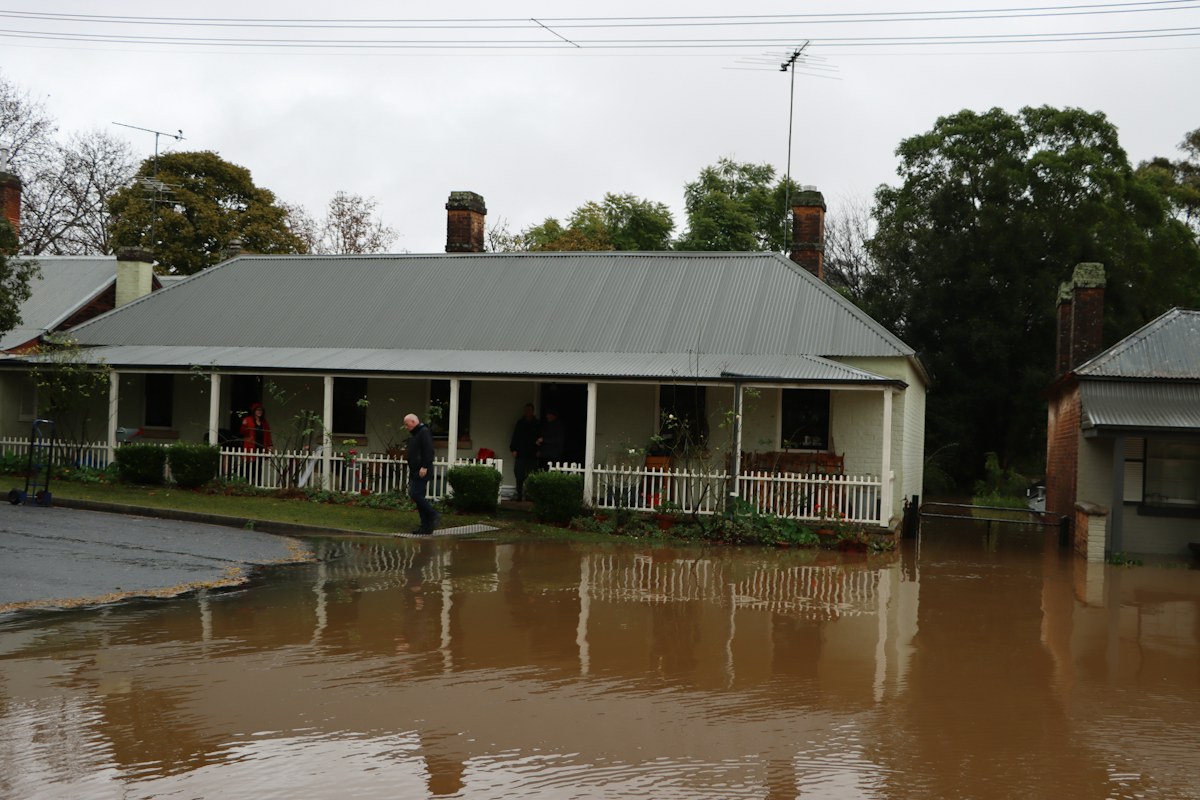
Many homeowners believe any water damage is covered once they buy home insurance. The cause of the water, the policy wording and optional endorsements can change the outcome.
Identify the Source Before Comparing Coverage
A sudden pipe leak, sewer backup and surface water entering a home are different events. Ask how your insurer defines and handles each one.
Request a written comparison of included protection and optional endorsements. Do not treat the presence of one water option as proof that every water event is insured.
Review Limits and Deductibles
Water endorsements can have their own limits, deductibles and eligibility conditions. Check whether the amount would meet your needs if a finished basement or several rooms were damaged.
Ask how contents, cleanup and additional living expenses are addressed. These questions help you understand the potential expenses without assuming a particular loss will qualify.
Keep Maintenance Separate
Insurance is not a substitute for repairing a leaking roof or addressing known drainage problems. Gradual deterioration and preventable damage can raise exclusions or other coverage issues.
Maintain plumbing, gutters and drainage, and keep receipts for protective work. Tell your broker about leak detection, a sump pump or a backwater valve and ask whether it affects available options.
What to Do After Discovering Water
Keep people away from electrical hazards and contaminated water. Contact emergency services or qualified professionals when necessary, then notify your insurer promptly.
Photograph the source and affected areas if safe. Keep receipts for reasonable emergency work and ask the adjuster before discarding damaged belongings or beginning permanent repairs.
Identify the Source Before Assuming Coverage
Water on a basement floor is a result, not a complete explanation of the cause. A broken pipe, backed-up drain, surface water entering through an opening and moisture developing over time can raise different coverage questions. Note where water first appeared, what was operating and whether weather or a plumbing problem was involved. Report observations accurately without inventing a cause that has not been established.
If it is safe, photograph the affected areas and the apparent source before emergency work changes the scene. Keep the plumber’s or restoration contractor’s findings and ask for a written description of what they observed. An invoice describing only cleanup may not explain why the water entered. The insurer may need cause information to evaluate the relevant policy provisions.
Do not assume that the same water endorsement addresses every pathway. Ask about sewer backup, overland water, escape from plumbing and seepage separately. The insured causes, exclusions, limits and deductibles can differ. Discuss a real scenario for your property with the broker so the answer refers to your contract rather than a general statement about what home insurance often includes.
Prioritize Safety and Reasonable Mitigation
Keep people away from electrical hazards, unstable materials and potentially contaminated water. Do not enter an unsafe area to retrieve possessions or take photographs. Contact appropriate emergency or qualified restoration help when needed. The immediate aim is to protect people and prevent additional damage where reasonable, while preserving useful evidence when it can be done safely.
Notify the insurer promptly and ask what emergency work can proceed, which contractors may be used and what records are required. Emergency extraction or drying may be urgent, while permanent reconstruction usually allows time for assessment. Keep receipts and describe why work was necessary. Request clarification when the insurer’s directions are unclear rather than assuming every contractor invoice will be accepted.
Separate damaged contents from undamaged items where safe, but ask before disposing of property that may need inspection. Take photographs, record model numbers and make a list of affected belongings. Keep samples or other evidence only when appropriate and safe. Good documentation helps explain the extent of damage even when a final coverage decision has not yet been made.
Review Limits Beyond the Cleanup Bill
A water loss can involve floors, walls, cabinets, contents and temporary accommodation. Ask how each category is addressed and whether the endorsement has a combined sublimit. A headline limit may need to cover several costs rather than cleanup alone. Confirm the deductible that applies to the cause of loss instead of relying on the general deductible shown elsewhere in the policy.
If the residence cannot be occupied, ask what additional living expenses qualify and what authorization or receipts are needed. Preserve records of normal household expenses as well as temporary spending where requested. Coverage is not an open-ended allowance for every inconvenience. Discuss reasonable arrangements with the adjuster and keep written confirmation of important decisions.
Ask how existing damage, worn materials and upgrades will be treated. Restoring insured damage may be different from replacing an aging system that caused the problem or improving the basement beyond its previous condition. Request an itemized estimate so repairs, maintenance and elective upgrades are distinguishable. This helps prevent disagreements about which portion of a contractor’s proposal belongs to the claim.
Reduce Risk Without Treating Prevention as a Guarantee
Inspect accessible plumbing and maintain drainage, grading and sump equipment as appropriate for the property. Ask qualified professionals about recurring water entry rather than repeatedly covering it with cosmetic repairs. A water alarm can provide notice, but its usefulness depends on location, operation and response. An automatic shutoff may help with some plumbing events without preventing every type of flood or backup.
Keep maintenance and installation records. If the insurer offers a discount or requires protective equipment, ask what conditions apply and what evidence is needed. Understand how periods away from home affect inspection or heating obligations under your contract. Set practical reminders and arrange a reliable person to check the property when required.
At renewal, review the water endorsements even if there has been no claim. Confirm limits, deductibles and any changes to eligibility. Tell the broker about basement renovations, new equipment or unresolved drainage problems. A finished basement can increase the potential cost of damage, so the previous arrangement may deserve reconsideration after substantial improvements.
After a claim, use the contractor’s findings to address the underlying risk. Keep the final repair records and ask whether the insurer needs confirmation that required work is complete. Insurance helps with accepted losses under agreed terms; maintenance and prevention remain part of owning the home. A clear cause assessment and organized documentation support both the claim and future risk decisions.
Frequently Asked Questions
Does sewer backup include overland water?
Do not assume so. Check the separate definitions and endorsements.
Are slow leaks covered?
Gradual damage and maintenance issues may be excluded. Review the cause and wording with the insurer.
Should I keep damaged items?
Ask the adjuster what evidence is required and how unsafe items should be handled.
Final Thoughts
Water damage coverage depends on more than seeing the word water in a policy. Review causes, limits and conditions before a leak or backup forces the comparison.