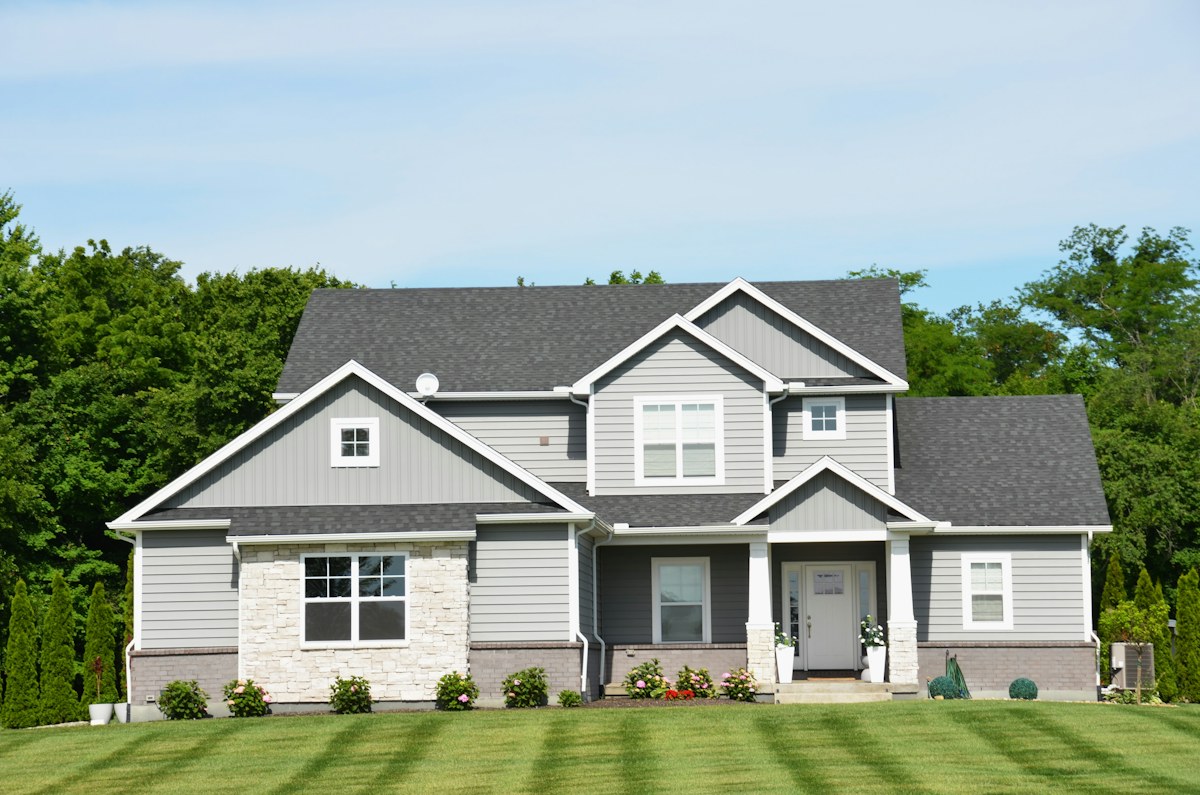
Many property owners treat dwelling insurance and homeowners insurance as interchangeable names. That can hide differences in how the building, possessions, liability and occupancy are handled.
Start With the Property’s Use
A policy intended for an owner-occupied home can differ from an arrangement for a rental building or another occupancy. The right comparison begins with who lives there and how the property is used.
Tell your broker about tenants, seasonal use, vacant periods and business activities. Ask which policy type fits the actual risk rather than selecting a product by its name.
Separate the Coverage Components
Dwelling coverage concerns the building. A homeowners package can combine protection for the dwelling, belongings, liability and additional living expenses, subject to its terms.
Do not assume a building-focused quote includes the same contents or liability protection. Ask for limits and exclusions for each component and compare them line by line.
Check the Losses and Settlement Basis
Two policies can insure the same address while covering different causes of loss. Named-perils coverage and broader forms should be compared through their actual wording.
Ask how the insurer values damaged property, what deductibles apply and whether water or other optional endorsements are included. Coverage terminology is a starting point, not a substitute for the contract.
Questions to Ask Before Buying
Describe the building, ownership, occupants and possessions you need to insure. Identify who needs liability protection and whether a covered loss would require temporary accommodation or affect rental income.
Request a written summary of the selected arrangement. Check lender requirements separately; meeting a lender’s building requirement does not necessarily meet every household need.
Compare Contracts by Coverage, Not by Their Labels
The term dwelling insurance can refer to building protection within a broader homeowner policy or to a more limited arrangement intended for a particular property use. Terminology varies. Ask for the actual coverage sections and exclusions instead of assuming that two products with similar names insure the same risks. The declarations, endorsements and wording together explain the agreement more reliably than a brief product description.
Begin with the building itself. Check what causes of loss are insured, how the dwelling amount was estimated and what settlement basis applies. Then look for detached structures, contents, additional living expenses and liability. Mark any section that is absent or limited. This exercise makes the practical difference visible: a building-focused contract may leave important household exposures to separate arrangements.
Explain who owns the property, who lives there and how it is used. An owner-occupied family residence, a long-term rental and an empty building awaiting renovation are different situations. A proposal suitable for one should not be selected for another simply because it has a cheaper premium. Ask the broker to identify the use accepted by the insurer and obtain written confirmation.
Test the Difference With Three Loss Examples
First, consider an insured fire damaging the structure and furniture. Building coverage addresses reconstruction according to its terms, while personal contents raise separate questions. If your contract protects only the dwelling, it should not be assumed to replace the household’s furniture. A landlord may need protection for supplied appliances or furnishings, while tenants generally need their own arrangement for their possessions.
Second, imagine that repairs make an owner-occupied house temporarily uninhabitable. Ask whether additional living expenses are included, what qualifies and how the amount and duration are limited. For a rental property, ask separately about rental income following insured damage. The owner’s need for accommodation and a landlord’s loss of rent are different financial consequences and should be discussed in their own terms.
Third, consider a visitor alleging injury caused by an unsafe condition. A dwelling limit does not by itself describe liability protection. Ask whether premises liability or broader personal liability is included and how the insured property use affects it. Do not assume that a liability section accepts business activities or every incident involving tenants, guests or contractors.
Match Settlement Terms and Deductibles
When comparing two proposals, use the same reconstruction description and request consistent deductibles wherever possible. Review actual cash value and replacement cost provisions carefully, including requirements to repair or replace. A lower premium may accompany a more limited settlement option. That difference can matter far more after a major loss than the amount saved during a single policy year.
Check water coverage by cause. Damage from a plumbing escape, sewer backup and overland water can raise different questions. Ask which endorsements are included and whether any special deductible or sublimit applies. A general reference to water damage is not enough to establish equivalent protection between a dwelling arrangement and a homeowner package.
Look for limits on particular property and circumstances. Valuable belongings, tools used for business, property away from the residence and buildings under construction may require additional attention. Read the conditions for vacancy, unoccupancy and changes in use. If the proposal depends on an inspection or a repair, record the deadline and the consequences of leaving the requirement unresolved.
Choose Around Ownership and Occupancy
For a landlord, create a list separating the building, landlord-owned contents, rental income and liability concerns. Ask what the insurer requires about tenant screening, maintenance and periods between tenants. The tenant’s insurance does not substitute for the owner’s building arrangement, and the landlord’s policy should not be presented as protection for all of the tenant’s belongings.
For a homeowner, inventory possessions and review household liability alongside the dwelling. Consider the financial disruption of living elsewhere during repairs. If a home business or rental suite is involved, describe it before selecting a policy. The advantage of a broader package depends on whether its sections actually match the household’s activities, not on the package name alone.
If the property is changing use, contact the broker before relying on an existing contract. Moving out and turning a house into a rental can alter the appropriate arrangement even though ownership stays the same. Likewise, taking a rental property back for personal residence deserves review. Request revised documents showing the accepted use and effective date.
A useful comparison ends with a written explanation of remaining gaps. Ask which losses you would need to fund yourself or insure separately under each option. Keep that explanation with the proposals and choose only after you understand the trade-offs. A policy designed for the actual property and occupants is more valuable than a familiar label attached to incomplete coverage.
Frequently Asked Questions
Is dwelling coverage a complete home policy?
It may be one component of a package or part of another arrangement. Review the whole contract.
Can landlords use ordinary homeowners coverage?
Disclose the rental use and ask which arrangement the insurer accepts.
Which policy is better?
The suitable choice depends on occupancy, insured property and the coverage terms, rather than the label.
Final Thoughts
Compare dwelling insurance and homeowners insurance by their components and conditions. A policy should reflect the actual use of the property and the losses you need it to address.