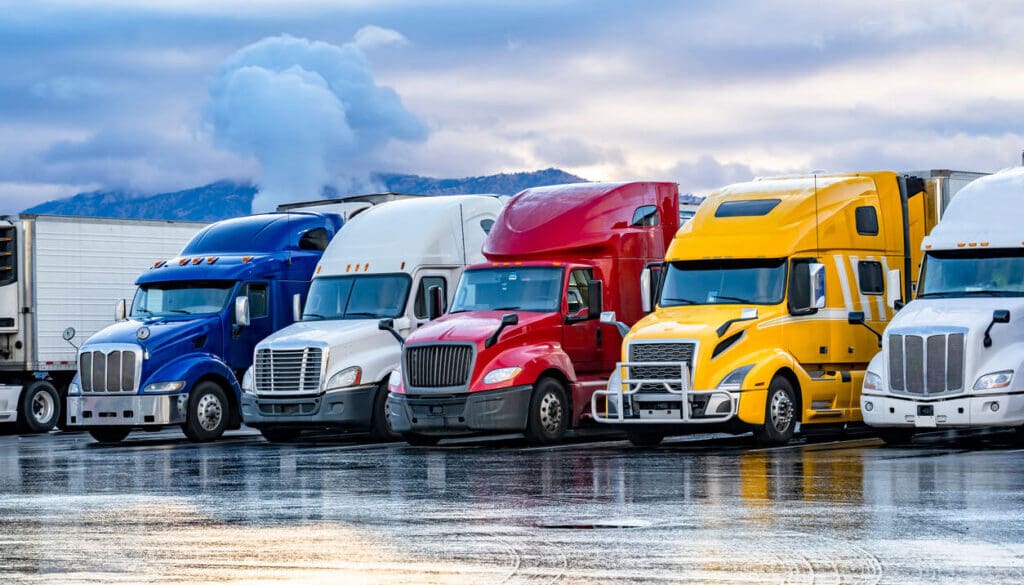
Commercial trucks are essential to thousands of Canadian businesses. Whether you operate a single delivery truck, manage a growing transportation company, or run a fleet of heavy-duty vehicles, one accident, stolen truck, or liability claim can create significant financial losses.
Many business owners assume that having basic vehicle insurance means their truck, cargo, drivers, and business operations are fully protected. Unfortunately, commercial trucking insurance is more complex than standard personal auto insurance.
Commercial truck insurance helps protect businesses against financial losses involving commercial vehicles, including covered accidents, vehicle damage, theft, liability claims, and other transportation-related risks.
Understanding what your policy covers, how commercial truck insurance works in Ontario, and what affects the cost can help you protect your vehicles and keep your business moving.
What Is Commercial Truck Insurance?
Commercial truck insurance is specialized vehicle insurance designed for trucks used for business purposes.
Unlike personal auto insurance, commercial truck insurance considers the risks associated with transporting goods, operating heavy vehicles, employing drivers, and travelling for commercial purposes.
Coverage may be available for:
- Semi-trucks and tractor-trailers
- Straight trucks
- Box trucks
- Dump trucks
- Flatbed trucks
- Delivery trucks
- Refrigerated trucks
- Tow trucks
- Commercial pickup trucks
- Heavy-duty transport trucks
- Commercial trucking fleets
The type of policy required depends on the vehicle, its commercial use, the cargo transported, and where the truck operates.
Businesses transporting goods across provincial or international borders may require additional coverage and documentation.
What Does Commercial Truck Insurance Cover?
Commercial truck insurance policies may include several types of protection depending on the insurer and business operations.
Common coverage options include:
- Third-party liability insurance
- Collision coverage
- Comprehensive coverage
- Commercial vehicle theft protection
- Fire and vandalism coverage
- Motor truck cargo insurance
- Trailer coverage
- Accident benefits
- Uninsured automobile coverage
- Optional loss-of-use protection
- Coverage for certain attached equipment
Not every commercial truck policy automatically includes all these protections. Coverage limits, deductibles, exclusions, and eligibility requirements vary.
Third-Party Liability Insurance
Third-party liability insurance is one of the most important parts of commercial trucking insurance.
It protects your business when an insured driver is legally responsible for an accident that injures another person or damages someone else’s property.
Depending on the policy, liability coverage may help pay for:
- Bodily injury claims
- Property damage
- Legal defence expenses
- Covered settlements
- Court-awarded damages
Commercial truck accidents can involve substantial claims because of vehicle size, weight, and potential damage.
Choosing appropriate liability limits is particularly important for businesses operating heavy trucks, transporting valuable goods, or travelling long distances.
Collision Coverage
Collision insurance helps pay for covered damage to your commercial truck resulting from a collision or overturning.
Examples include:
- Colliding with another vehicle
- Hitting a barrier or stationary object
- Certain single-vehicle accidents
- Truck rollovers
Collision coverage is especially valuable for financed trucks and businesses that depend on their vehicles for daily operations.
A deductible generally applies, and payment is subject to the policy’s terms and limits.
Comprehensive Coverage
Comprehensive coverage, often described in Ontario commercial auto policies as protection against non-collision risks, may cover losses such as:
- Theft
- Fire
- Vandalism
- Certain severe weather events
- Falling objects
- Certain animal-related damage
Coverage depends on the specific comprehensive or specified-perils protection purchased.
For trucking businesses, losing a commercial vehicle can mean losing both an asset and the ability to generate revenue.
Motor Truck Cargo Insurance
Motor truck cargo insurance is designed to protect against certain losses involving goods transported by a trucking business.
Depending on the policy, it may provide protection for covered cargo losses involving:
- Vehicle accidents
- Cargo theft
- Fire
- Certain transportation-related damage
- Other insured causes of loss
Cargo coverage can be particularly important for freight carriers, delivery companies, and businesses transporting products owned by customers.
Some goods, such as high-value electronics, refrigerated products, or hazardous materials, may require specialized coverage or endorsements.
Cargo insurance should not be confused with physical damage insurance for the truck itself.
Trailer Insurance
Commercial trucking operations frequently use trailers that have significant replacement or repair costs.
Trailer-related protection may include:
- Physical damage coverage for owned trailers
- Coverage for certain non-owned trailers
- Trailer interchange coverage where applicable
- Theft and insured damage protection
Businesses should confirm whether trailers are owned, leased, borrowed, or operated under trailer interchange agreements when arranging insurance.
Commercial Truck Insurance Ontario
Commercial truck insurance in Ontario is an important requirement for businesses operating qualifying commercial motor vehicles on public highways.
Ontario has specific requirements relating to commercial vehicle insurance, registration, and operator safety.
The coverage your business requires depends on factors such as:
- Vehicle classification and weight
- Whether goods are transported for compensation
- Type of goods being transported
- Where vehicles operate
- Provincial regulations
- Cross-border operations
- Contracts with customers and freight brokers
Commercial truck operators must carry the liability insurance required by applicable Ontario legislation. Certain vehicles and cargo operations are subject to higher or additional requirements.
Do You Need Commercial Truck Insurance in Ontario?
If a truck is used commercially, it generally needs insurance appropriate to that business use.
Examples include trucks used for:
- Freight transportation
- Construction
- Commercial deliveries
- Logistics
- Towing services
- Equipment transportation
- Moving services
- Business operations
A standard personal auto policy may not provide appropriate protection for these commercial activities.
Businesses should disclose how their vehicles are used and confirm the correct insurance classification before operating.
Commercial Vehicle Operator’s Registration (CVOR)
Some commercial vehicle operators in Ontario must also obtain a Commercial Vehicle Operator’s Registration certificate.
CVOR requirements generally apply to certain commercial trucks with a registered gross weight or actual weight exceeding 4,500 kilograms, along with certain other vehicle categories.
Some vehicles are exempt, and special rules apply to operations such as towing.
A CVOR certificate is not an insurance policy. It is part of Ontario’s commercial vehicle safety oversight system.
Truck owners should verify both their operator registration obligations and their insurance requirements.
Commercial Trucking Insurance for Owner-Operators
Owner-operators face unique insurance considerations because they may own the truck while working independently or under contract with a larger carrier.
Depending on the operating arrangement, an owner-operator may need:
- Commercial auto liability insurance
- Physical damage coverage
- Cargo insurance
- Non-trucking-use coverage, where available
- Trailer-related protection
- Additional coverage required by a motor carrier agreement
Some transportation companies provide certain insurance protections while a truck operates under their authority.
However, the extent of coverage can change depending on whether the driver is hauling an assigned load, operating without a trailer, or using the vehicle outside the contracted business activity.
Owner-operators should review their lease agreements and insurance policies carefully to identify any gaps.
Commercial Truck Insurance for Fleets
Businesses operating several commercial trucks often require a fleet insurance solution.
Commercial fleet insurance can make it easier to manage coverage for multiple eligible vehicles under an organized insurance arrangement.
Fleet insurance may be suitable for:
- Transportation companies
- Courier services
- Construction businesses
- Logistics providers
- Distribution companies
- Delivery fleets
- Moving companies
Fleet insurance may offer administrative advantages, but eligibility and pricing depend on the insurer and the risk profile of the business.
Insurers may review driver records, safety procedures, claims history, vehicle maintenance, and fleet operations before offering coverage.
Commercial Truck Insurance Cost in Ontario
The cost of commercial truck insurance depends on several factors. There is no single premium that applies to every truck or trucking business.
Insurance companies assess the risk associated with the vehicle, driver, and commercial operation.
Important factors include:
Type of Truck
A heavy-duty tractor-trailer may have a different insurance cost than a smaller commercial delivery truck.
Vehicle value, size, weight, repair costs, and intended use can all affect pricing.
Driving Experience
Insurers may consider the experience of drivers operating commercial vehicles.
Businesses employing experienced drivers with suitable commercial licences and favourable driving records may receive different pricing than operations involving less experienced drivers.
Claims History
Previous accidents, insurance claims, and driving violations can influence premiums.
A strong safety record may help businesses qualify for more favourable insurance terms.
Type of Cargo
The goods being transported can significantly affect the insurance risk.
For example, transporting construction materials presents different exposures than transporting refrigerated food, valuable electronics, or dangerous goods.
Operating Radius
Trucks operating locally may have a different risk profile than vehicles travelling across Ontario, throughout Canada, or into the United States.
Distance, routes, operating territory, and road exposure may all influence premiums.
Coverage Limits and Deductibles
Higher limits and broader protection may increase insurance costs.
A higher deductible may lower certain premiums but also increases the amount the business must pay after a covered loss.
Fleet Size
The number of vehicles insured can affect commercial trucking insurance pricing and policy structure.
Larger fleets may qualify for different underwriting arrangements than single-truck businesses.
Commercial Truck Insurance Canada
Commercial truck insurance requirements vary across Canada.
A business operating only in Ontario may have different insurance considerations than a transportation company operating across multiple provinces.
Commercial trucking businesses should review:
- Provincial insurance requirements
- Vehicle registration rules
- Carrier safety obligations
- Cargo insurance requirements
- Interprovincial operations
- Commercial transportation contracts
- Required liability limits
Truck owners should also ensure that their insurance policies accurately reflect all territories where they operate.
Cross-Border Truck Insurance: Canada and the United States
Canadian trucking companies transporting goods into the United States may face additional insurance and regulatory requirements.
Depending on the operation, U.S. Federal Motor Carrier Safety Administration requirements may apply.
Businesses should confirm:
- Appropriate liability coverage
- Applicable U.S. financial responsibility requirements
- Required insurance filings
- Cross-border operating authority
- Cargo coverage for international shipments
- Policy territory and exclusions
Cross-border truck insurance should be reviewed before accepting freight assignments involving international routes.
Commercial Insurance for Truck Owners: Common Coverage Mistakes
Choosing commercial insurance for a truck involves more than selecting the cheapest available policy.
Several common mistakes can leave businesses exposed to unexpected costs.
1. Purchasing Insufficient Liability Coverage
A business may purchase only the minimum insurance required without considering its contractual obligations or potential accident exposure.
Higher liability limits may be appropriate depending on the operation.
2. Assuming Cargo Is Automatically Covered
Commercial auto insurance does not necessarily insure the goods being transported.
Motor truck cargo insurance often needs to be arranged separately.
3. Failing to Disclose Commercial Use
Using a vehicle for business without properly informing the insurer can create serious coverage complications.
Truck owners should disclose delivery work, hauling, operating territories, and other material business activities.
4. Not Reviewing Driver Eligibility
Commercial vehicle policies may contain requirements relating to driver licensing, experience, and eligibility.
Businesses should confirm that drivers meet their insurer’s underwriting requirements.
5. Choosing Insurance Based Only on Price
The cheapest policy may have higher deductibles, narrower coverage, lower limits, or exclusions that do not suit the business.
Comparing protection is just as important as comparing premiums.
How to Lower Commercial Truck Insurance Costs
Although commercial truck insurance can represent a substantial operating expense, businesses may be able to manage their insurance costs through better risk management.
Potential strategies include:
- Maintaining a clean driving and claims record
- Hiring appropriately licensed, experienced drivers
- Implementing formal driver safety procedures
- Maintaining vehicles regularly
- Installing approved tracking or anti-theft systems
- Using secure overnight parking
- Reviewing deductibles
- Evaluating coverage limits
- Improving fleet safety documentation
- Comparing quotes from suitable commercial insurers
- Reporting operational changes accurately
Not every measure results in an automatic discount. However, effective safety practices can improve a company’s overall insurance risk profile.
How to Get a Commercial Truck Insurance Quote
To obtain a commercial truck insurance quote in Ontario, an insurance broker will usually need information about the truck, its drivers, and the business.
Typical information includes:
- Business name and address
- Years in business
- Vehicle year, make, and model
- Vehicle identification number (VIN)
- Truck weight and configuration
- Driver licence information
- Driver experience
- Claims and insurance history
- Type of cargo transported
- Operating radius and routes
- Estimated annual mileage
- Vehicle ownership or financing details
- Required coverage limits
- Number of trucks and trailers
Providing accurate, complete information can help insurers evaluate the operation and determine suitable coverage options.
Why Work With a Commercial Truck Insurance Broker?
Commercial trucking insurance can involve multiple insurance products, regulatory requirements, and business-specific risks.
Working with an insurance broker can help truck owners better understand their available coverage options.
A commercial insurance broker can assist with:
- Reviewing commercial trucking operations
- Identifying potential coverage gaps
- Comparing available insurance products
- Understanding deductibles and policy limits
- Reviewing cargo and trailer insurance needs
- Evaluating fleet insurance options
- Discussing insurance requirements for cross-border trucking
At Sterling Insurance Brokers Ltd., businesses can discuss their commercial vehicle insurance needs and explore available coverage options based on their operations.
Whether you operate one truck or manage a fleet, choosing coverage that matches your business activities is an important part of protecting your investment.
Frequently Asked Questions
What is commercial truck insurance?
Commercial truck insurance provides financial protection for businesses operating trucks for commercial purposes. Depending on the policy, it may cover liability, vehicle damage, theft, accidents, and other insured risks.
Is commercial truck insurance mandatory in Ontario?
Commercial vehicles operated on public highways must carry insurance that satisfies applicable Ontario requirements. Specific coverage obligations depend on the vehicle and operation, and some commercial trucking activities require additional insurance.
How much does commercial truck insurance cost in Ontario?
The cost depends on the type of truck, driver experience, claims history, operating territory, cargo, coverage limits, deductibles, and other underwriting factors. Quotes are based on the individual business.
What is the difference between commercial truck insurance and commercial trucking insurance?
These terms are often used interchangeably. Both generally describe insurance for trucks used in business, although commercial trucking insurance may refer more specifically to freight transportation and motor carrier operations.
Can I get commercial insurance for one truck?
Yes. Commercial insurance is available for eligible single-truck operations, including owner-operators and small businesses. Coverage options depend on the vehicle and its use.
Does commercial truck insurance cover cargo?
Not automatically. Motor truck cargo insurance is a separate form of protection that may be purchased to cover eligible goods transported by the business.
Does commercial truck insurance cover theft?
Theft protection may be available through comprehensive or other appropriate physical damage coverage. The policy’s terms, conditions, and exclusions determine whether a loss is covered.
Do owner-operators need their own truck insurance?
Owner-operators may need their own insurance depending on vehicle ownership, carrier agreements, operating arrangements, and applicable legal requirements. They should confirm exactly what coverage their contracted carrier provides.
Can commercial truck insurance cover multiple vehicles?
Yes. Eligible businesses may be able to arrange commercial fleet insurance to cover multiple vehicles under a suitable policy structure.
Does Ontario commercial truck insurance cover driving in the United States?
Some policies may provide coverage for U.S. operations, but cross-border transportation can involve additional legal, contractual, and insurance requirements. Businesses must verify policy territory, limits, filings, and coverage before operating internationally.
Final Thoughts
Commercial truck insurance is more than a legal requirement. It is an important financial protection for trucking businesses, owner-operators, delivery companies, and commercial vehicle fleets.
Whether you need commercial truck insurance in Ontario, commercial trucking insurance for freight transportation, or coverage for a growing fleet, understanding your insurance options can help you make informed decisions.
The right policy should account for your vehicle, drivers, cargo, operating territory, and business risks—not simply the monthly premium.
Looking for Commercial Truck Insurance in Ontario?
Sterling Insurance Brokers Ltd. can help you explore commercial truck insurance options suited to your business.
Contact Sterling Insurance Brokers Ltd.
1939 Ironoak Way, Suite 205
Oakville, ON L6H 3V8
Phone: 905-864-0057
Email: insure@sterlingibl.com
Contact Sterling Insurance Brokers Ltd. to discuss your commercial trucking insurance needs and request a quote.
Coverage is subject to insurer eligibility, policy terms, conditions, exclusions, and applicable provincial requirements.